

Our blog articles on Kaitsuko Japanese Damascus steel knives and cooking.
- by Logilor SAS
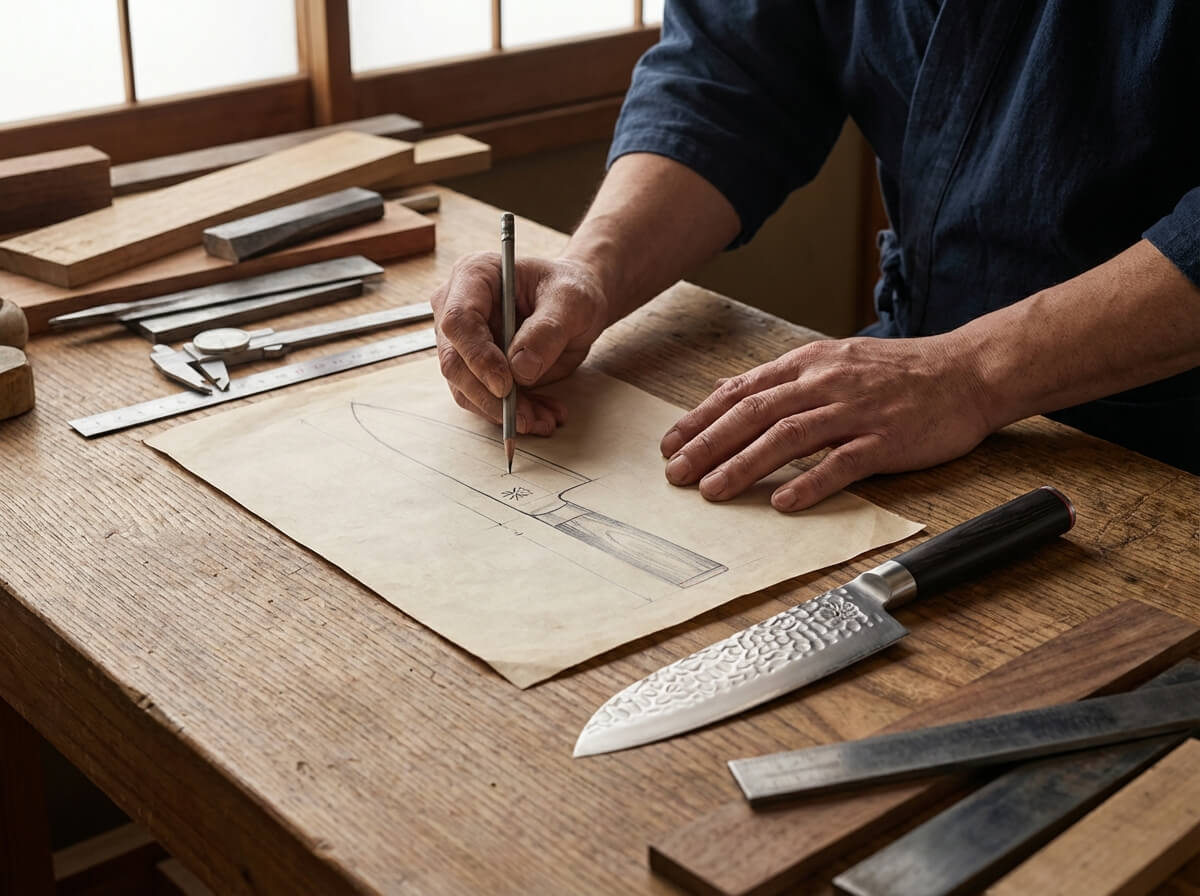
How We Design a Japanese Knife: From Idea to Your Kitchen
Read moreabout How We Design a Japanese Knife: From Idea to Your Kitchen
- by Kro Lgr
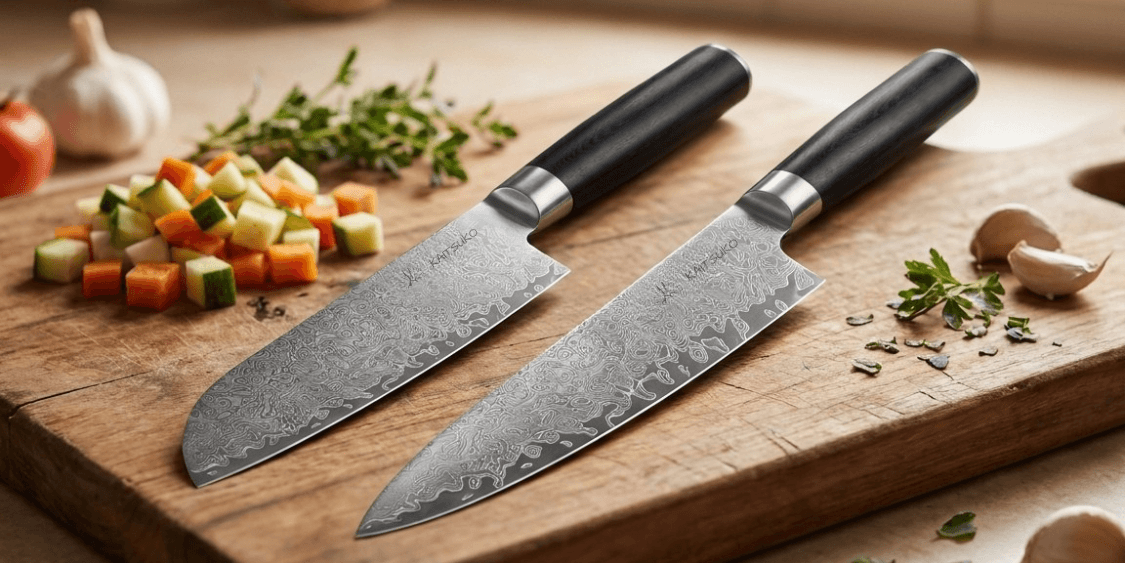
Chef's Knife or Santoku: Which to Choose for Everyday Cooking?
Read moreabout Chef's Knife or Santoku: Which to Choose for Everyday Cooking?
- by Kro Lgr
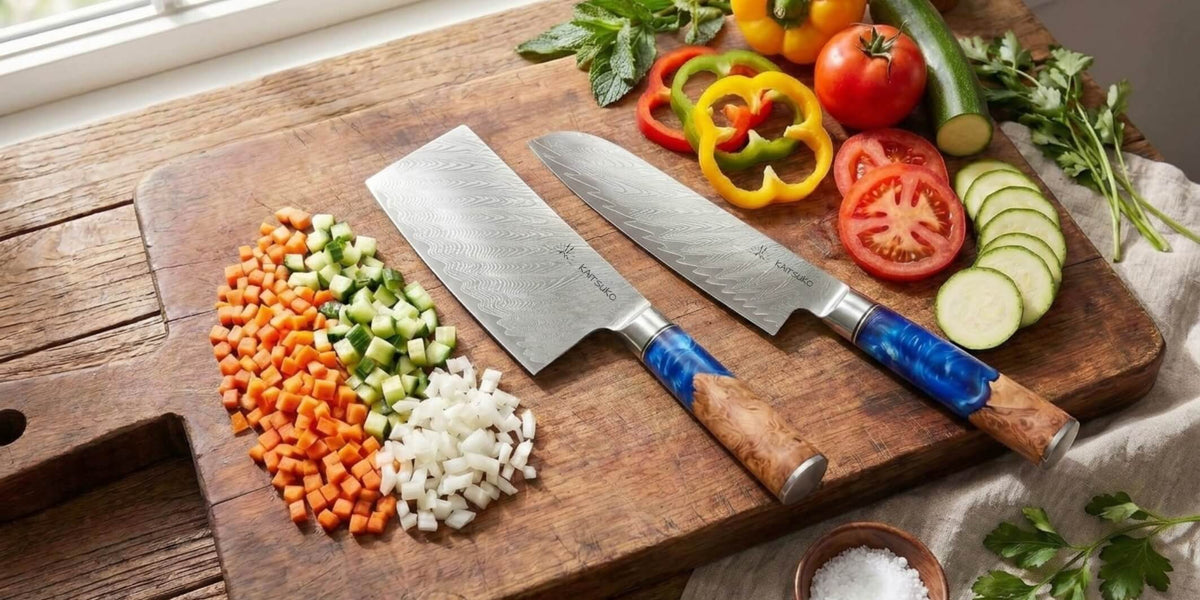
Nakiri vs Santoku: Which Knife to Choose for Vegetables?
Read moreabout Nakiri vs Santoku: Which Knife to Choose for Vegetables?
- by Kro Lgr
Japanese Knife Buying Guide 2026: Expert Advice to Get It Right
Read moreabout Japanese Knife Buying Guide 2026: Expert Advice to Get It Right

- by Logilor SAS
Why Japanese Knives Cut Better Than Western Knives
Read moreabout Why Japanese Knives Cut Better Than Western Knives
- by Jules H
The Essential Knives for a Professional Kitchen: The Restaurant Owner's Guide (2026)
Read moreabout The Essential Knives for a Professional Kitchen: The Restaurant Owner's Guide (2026)
- by Logilor SAS
Carbon Steel vs Stainless Steel Knives: Which Should You Choose in 2026?
Read moreabout Carbon Steel vs Stainless Steel Knives: Which Should You Choose in 2026?
- by Logilor SAS
Rust on a Blade: the 7 Safe Methods to Remove It (and the Ones to Absolutely Avoid)
Read moreabout Rust on a Blade: the 7 Safe Methods to Remove It (and the Ones to Absolutely Avoid)
- by Logilor SAS
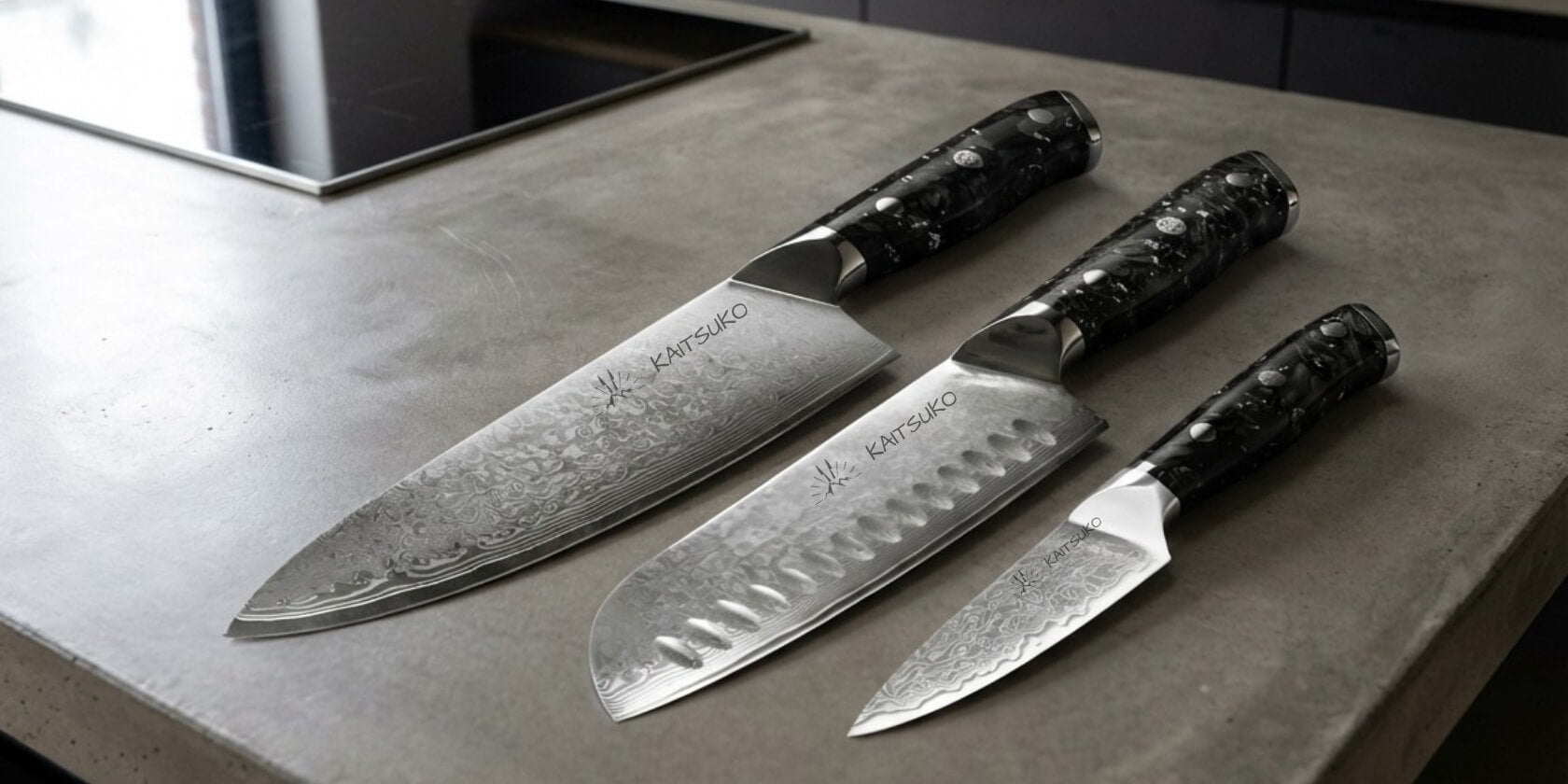
The 7 mistakes that ruin a japanese knife's edge (and how to avoid them)
Read moreabout The 7 mistakes that ruin a japanese knife's edge (and how to avoid them)
- by Logilor SAS
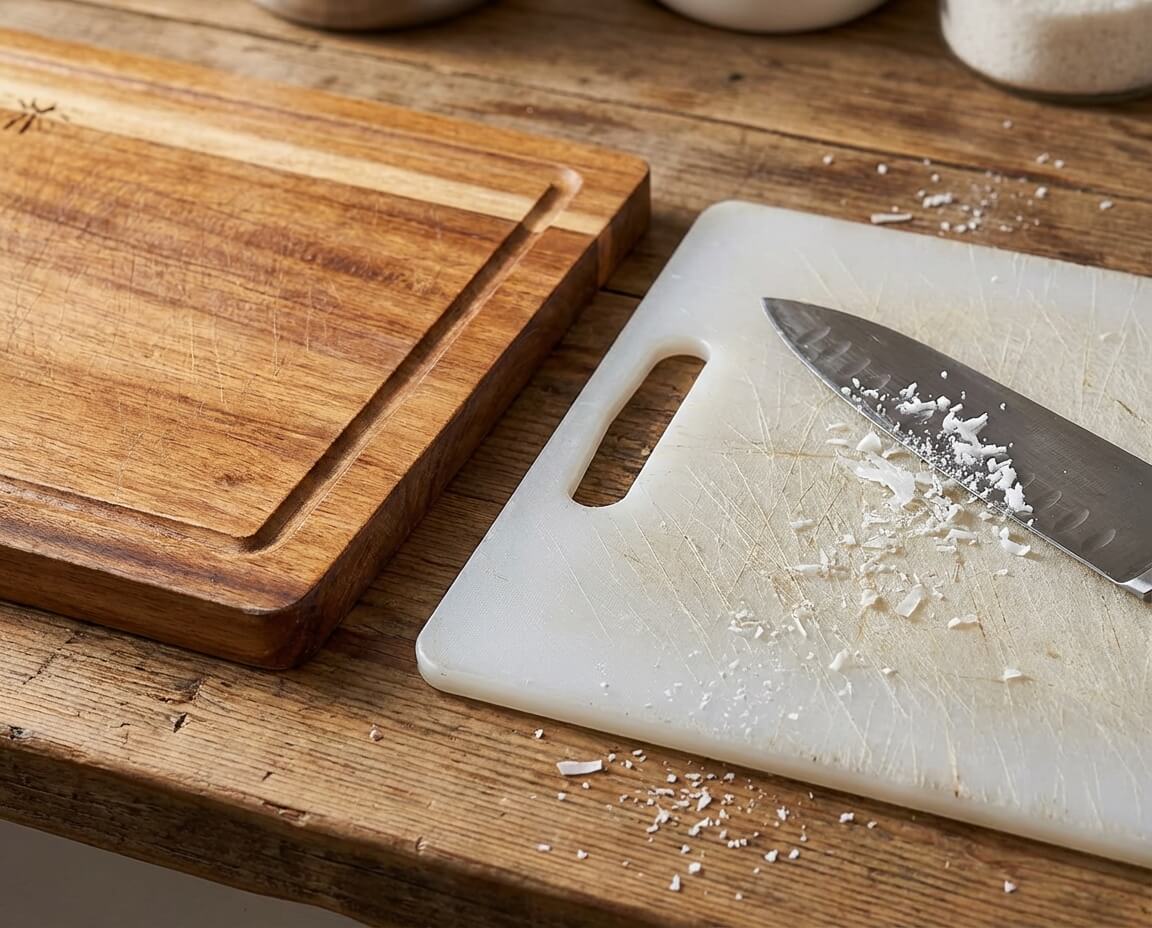
Knife Sets vs. Individual Knives: The Ideal 3-Knife "Capsule" in 2026
Read moreabout Knife Sets vs. Individual Knives: The Ideal 3-Knife "Capsule" in 2026
- by Logilor SAS
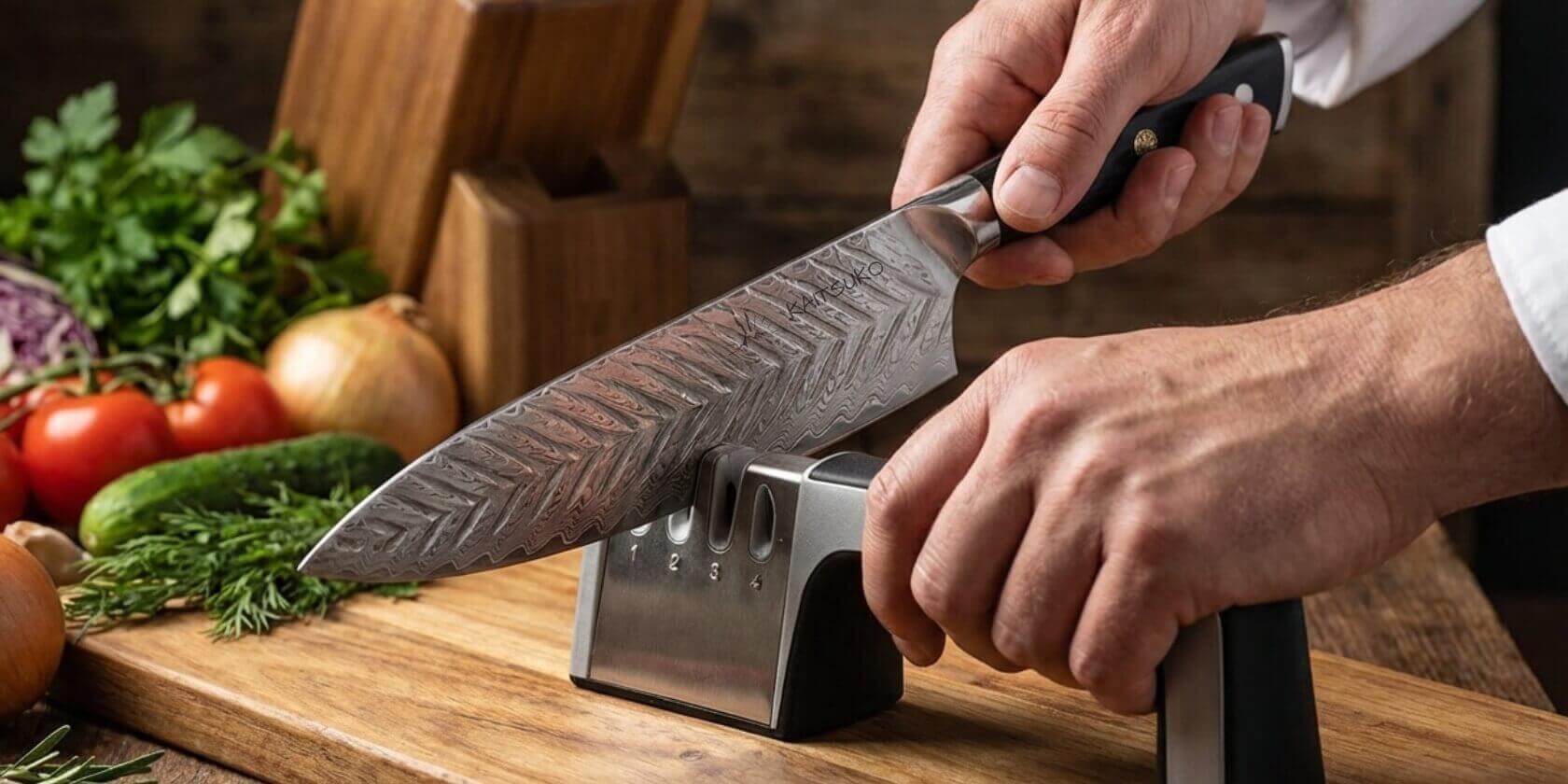
Microplastics and cutting boards: should you stop using plastic in 2026?
Read moreabout Microplastics and cutting boards: should you stop using plastic in 2026?
- by Logilor SAS
Why the sharpening angle matters more than the price
Read moreabout Why the sharpening angle matters more than the price

- by Logilor SAS
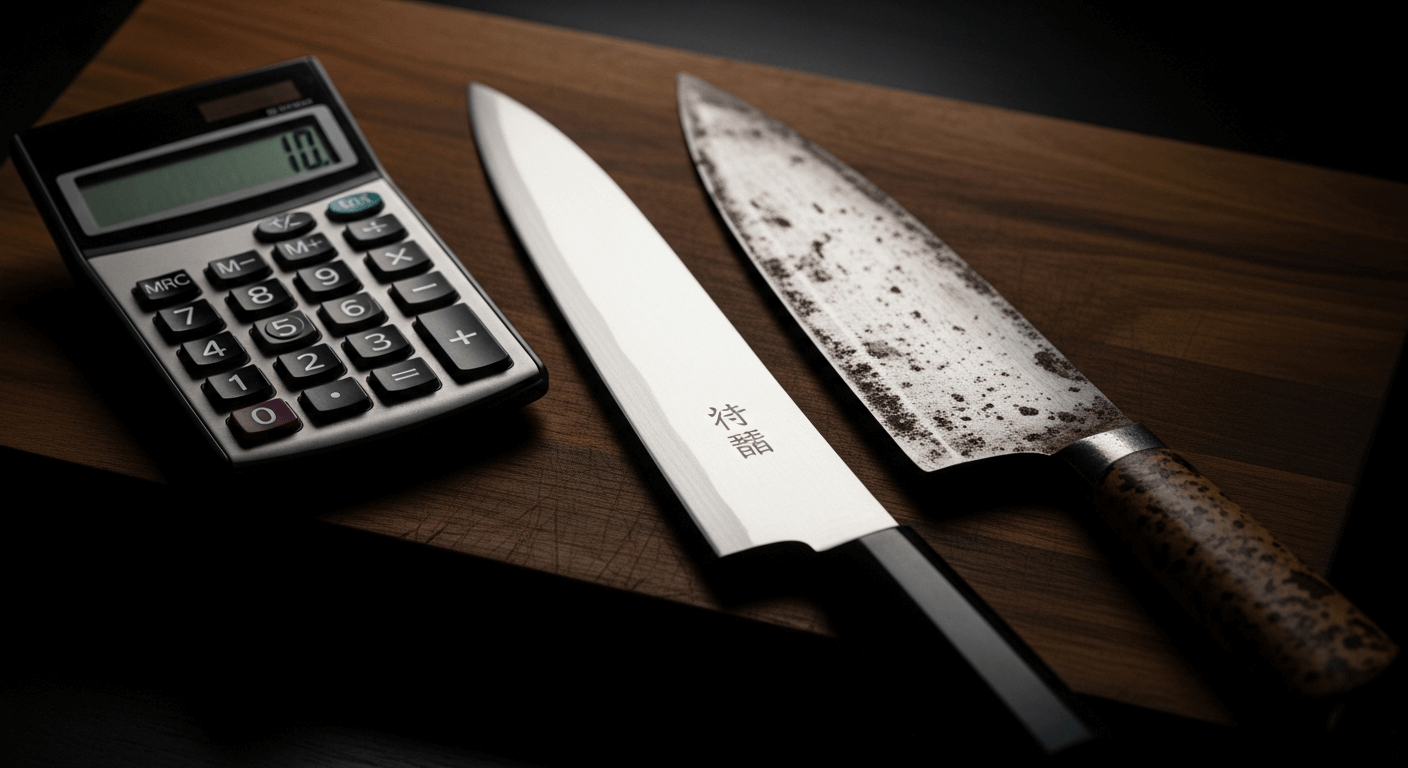
How to recognise a quality knife in less than 30 seconds
Read moreabout How to recognise a quality knife in less than 30 seconds
- by Logilor SAS
How much does a bad knife really cost over 10 years?
Read moreabout How much does a bad knife really cost over 10 years?
- by Kro Lgr
Knife Sharpening Angle: How to Choose?
The Kaitsuko Blog: the world of Japanese knives, explained by our team
These blog articles are written by the Kaitsuko team, the people who design the knives, answer your messages and use them in the kitchen every day. Most articles start from a question you have asked us, and we answer it with what we have learned from more than 100,000 customers. Here are the topics you will find.
Choosing the right Japanese knife
This is the heart of the blog. We compare blades that look alike and are always hard to choose between: Santoku or chef's knife, Nakiri or Santoku, Kiritsuke or Gyuto, Japanese knife or German knife. We also publish guides by profile, for a beginner, a left-hander, a passionate home cook or someone looking for a gift, and we give an honest answer to the question of how many knives you really need in a kitchen. Once you have made your choice, you will find these blades among our individual Japanese knives or brought together in our Japanese knife sets.
Types of knives and their uses
Every blade shape has its reason for being. Santoku, Gyuto, Nakiri, Kiritsuke, paring knife, boning knife, not forgetting traditional blades such as the Yanagiba or the Deba: we explain what each one is for, what it does better than the others and who it suits.
Cutting techniques, food by food
Having the right knife is not enough; you also need the right technique. Deboning poultry, filleting fish, carving a joint of meat, slicing vegetables without crushing them, cutting fruit cleanly: our guides pair each preparation with the right blade and how to use it.
Steels, blades and craftsmanship
Damascus steel, hammered finish, HRC hardness, sharpening angle, San Mai construction, handle materials: we translate these technical terms into concrete differences, the ones you feel once the knife is in your hand. We also tackle the bigger questions, such as what really defines a Japanese knife or how we design our own, from the initial idea to your kitchen.
Care, sharpening and repair
A Japanese knife lasts for years as long as you look after it. Washing, drying, storage, choosing between a whetstone and a honing steel, rescuing a chipped blade, taking your knives with you when travelling: every situation has its article. The equipment we talk about can be found in our Japanese knife accessories.
Japanese cooking and culture
A knife only makes sense through what you do with it. We share recipes where the cut changes the result, and we look back at the history of Japanese cutlery, from the swordsmiths to today's kitchen knives.
A question that no article answers yet? Write to us, it may become the subject of the next one.