
Our blog articles on Kaitsuko Japanese Damascus steel knives and cooking.

Comment reconnaître un couteau de qualité en moins de 30 secondes
  • by Logilor SAS

How to recognise a quality knife in less than 30 seconds
When you find yourself faced with a knife, whether in a shop or on an online product page, it is often difficult to know quickly whether you are dealing with a serious tool or simply a nicely presented object. Many...

Read moreabout How to recognise a quality knife in less than 30 seconds

Combien coûte vraiment un mauvais couteau sur 10 ans ?
  • by Logilor SAS

How much does a bad knife really cost over 10 years?
When buying a kitchen knife, we almost always focus on the displayed price. Fifteen pounds, twenty pounds, sometimes thirty. At that point, the reasoning is simple: the knife cuts, it's new, it does the job, and we tell ourselves there's...

Read moreabout How much does a bad knife really cost over 10 years?

Angle d'affutage couteau
  • by Kro Lgr

Knife Sharpening Angle: How to Choose?

Knife Sharpening Angle Sharpening a knife is an essential step to keep a blade as sharp as the first day. Depending on the type of knife, its origin, or the shape of its blade, the sharpening angle is not the...

Read moreabout Knife Sharpening Angle: How to Choose?

Des études ont rapporté que plus de 99 % des bactéries sur le bois meurent en 3 minutes… le plastique les fait proliférer et multiplier !
  • by Logilor SAS

Studies Show: Over 99% of Bacteria on Wood Die in 3 Minutes... Plastic Makes Them Proliferate and Multiply!

Why Your Plastic Cutting Board Could Ruin Your Kitchen - And Why Wood is the Solution Have you always thought plastic cutting boards were more hygienic than wood? Think again. For a long time, this myth has persisted in our...

Read moreabout Studies Show: Over 99% of Bacteria on Wood Die in 3 Minutes... Plastic Makes Them Proliferate and Multiply!

dashi japonais guide complet
  • by Kro Lgr

Dashi: The Essential Broth of Japanese Cuisine
What is Dashi? Definition and Role in Cooking Dashi is the fundamental broth of Japanese cuisine. Unlike Western stocks, it relies on a brief, clear, and precise infusion where the essence of flavor concentrates in just a few minutes. Though...

Read moreabout Dashi: The Essential Broth of Japanese Cuisine

Le ramen guide complet par Kaitsuko
  • by Kro Lgr

Ramen: Complete Guide and Tips for Homemade Bowls
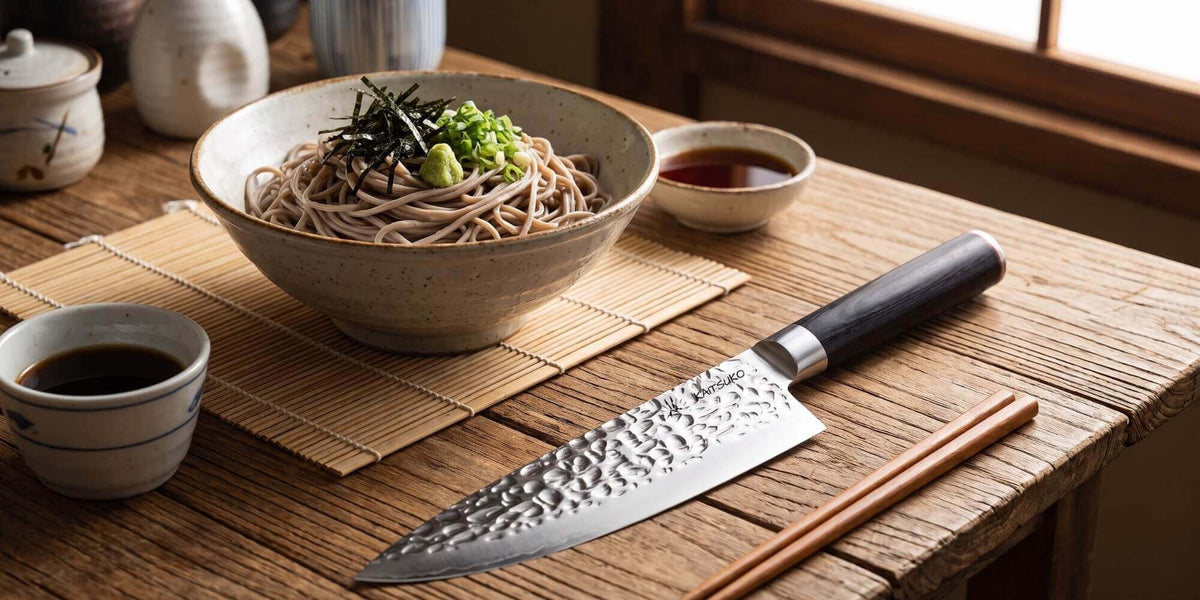
What is Ramen? Origins and Definition Ramen is a noodle dish served in a flavored broth, which has become emblematic of modern Japanese cuisine. However, its origins trace back to China, where immigrants introduced wheat noodles softened by kansui, an...

Read moreabout Ramen: Complete Guide and Tips for Homemade Bowls

soba nouilles de sarasin japon couteau japonais
  • by Logilor SAS

Soba Noodles: Definition and Origins
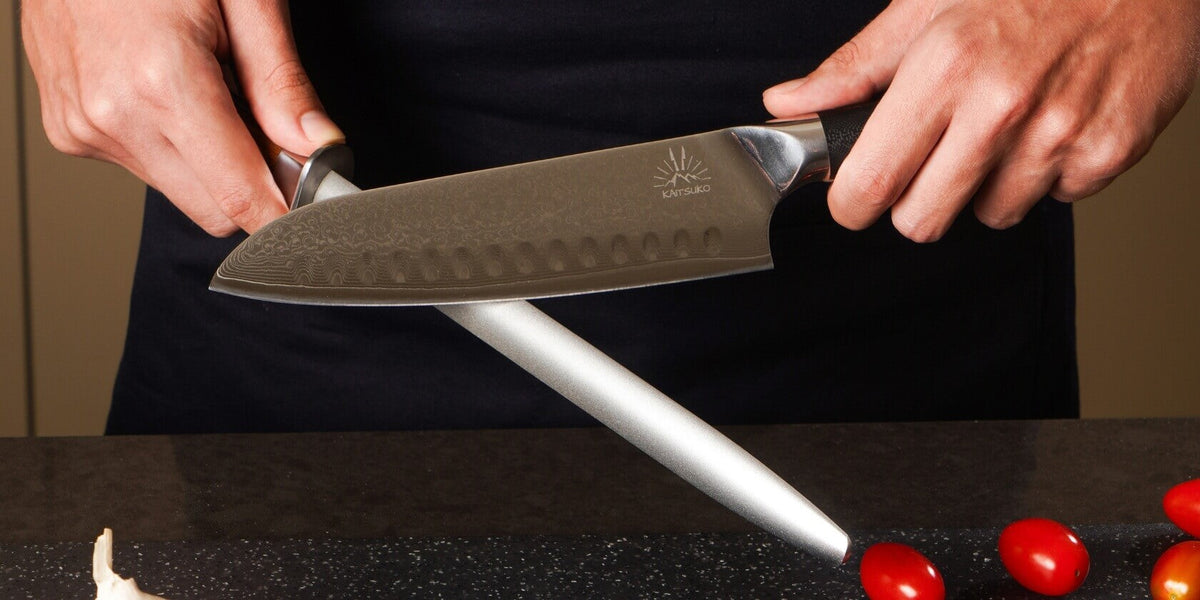
Soba Noodles: Definition and Origins What Are Soba Noodles? Soba are Japanese noodles made from buckwheat flour and water. Depending on the recipe and region, they are often mixed with a portion of wheat flour to achieve more flexibility and...

Read moreabout Soba Noodles: Definition and Origins

Le meilleur fusil à aiguiser Kaitsuko
  • by Kro Lgr

How to Use a Honing Steel? The Complete Guide

You've invested in quality knives. Sharp, balanced, carefully forged. Yet after just a few weeks, they already struggle to slice through a tomato. It's not that they're dull: it's simply that their edge has lost its alignment. This is where...

Read moreabout How to Use a Honing Steel? The Complete Guide

Pierre à aiguiser double face pour couteaux japonais Kaitsuko
  • by Kro Lgr

How to Choose the Perfect Whetstone
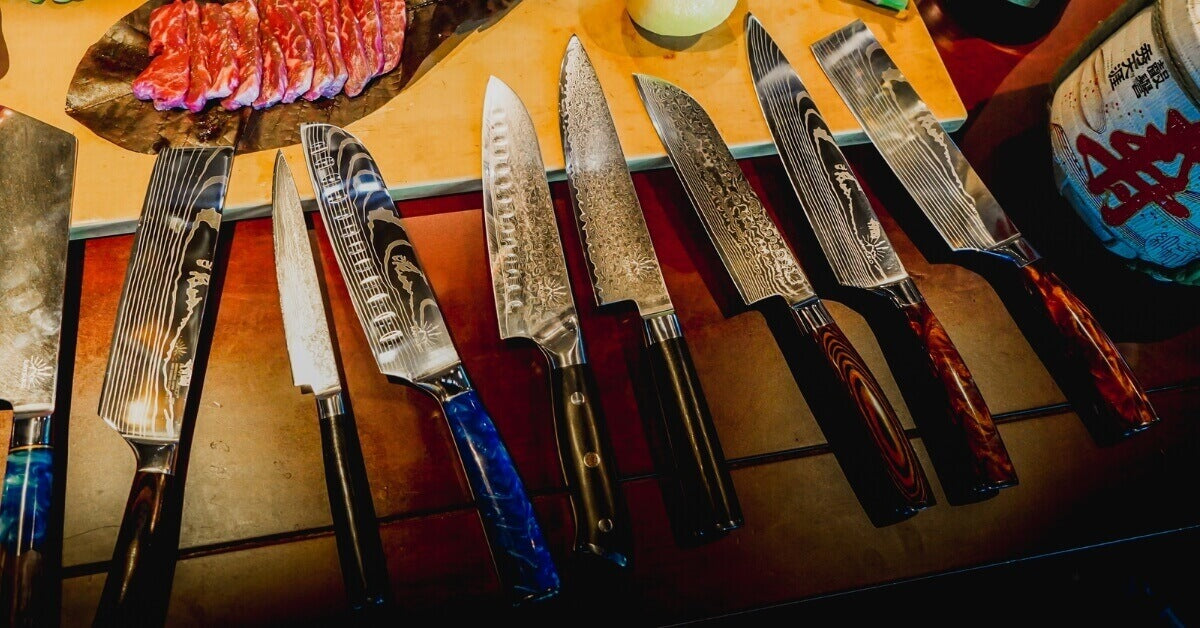
A sharp knife is the foundation of any efficient kitchen. But even the best blade in the world eventually dulls. And to revive it, don't count on low-quality gadgets: you need the right sharpening stone. Because yes, the right tool...

Read moreabout How to Choose the Perfect Whetstone

Le meilleur acier pour couteau : lequel choisir Kaitsuko
  • by Kro Lgr

Knife Steel: Complete Guide to Steel Types in Cutlery
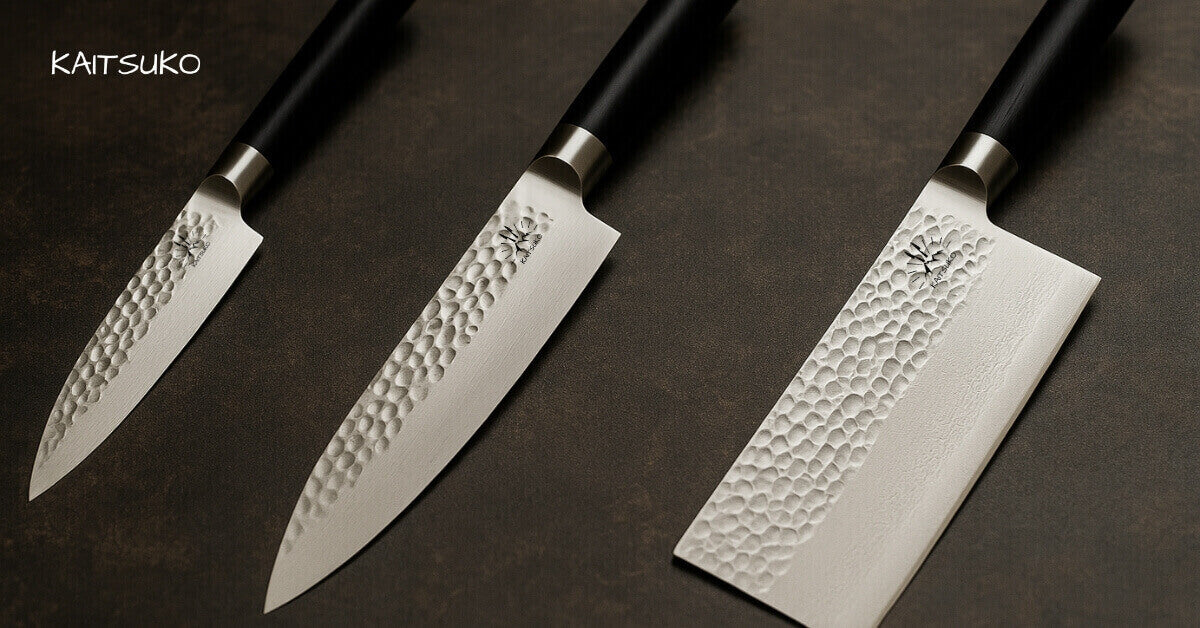
Steel is the DNA of a knife. Razor-sharp or smooth cutting? Easy maintenance or surgical precision? Everything starts with the right alloy. In the world of cutlery, there isn't one steel that dominates everything, but rather steels adapted to each...

Read moreabout Knife Steel: Complete Guide to Steel Types in Cutlery

couteaux japonais et acier 440c
  • by Kro Lgr

440C Steel: Composition, Hardness and Culinary Usage

Precise. Resistant. Sharp. 440C steel is something of a Swiss Army knife among stainless steels: it can do everything, and it does it well. Used in both kitchen cutlery and outdoor applications, it appeals through its robustness, easy maintenance, and...

Read moreabout 440C Steel: Composition, Hardness and Culinary Usage

Meilleurs couteaux à désosser : notre sélection et conseils d’achat
  • by Kro Lgr

Best Boning Knives: Our Selection and Buying Guide

Looking to cleanly separate meat from bone without tearing or forcing? Then you need a real boning knife. This formidable tool isn't reserved for butchery professionals: it's essential in any serious kitchen, whether you're preparing chicken, game, or a beautiful...

Read moreabout Best Boning Knives: Our Selection and Buying Guide

Meilleur couteau à dépecer : comment bien choisir son modèle ?
  • by Kro Lgr

Best Skinning Knife: How to Choose the Right Model
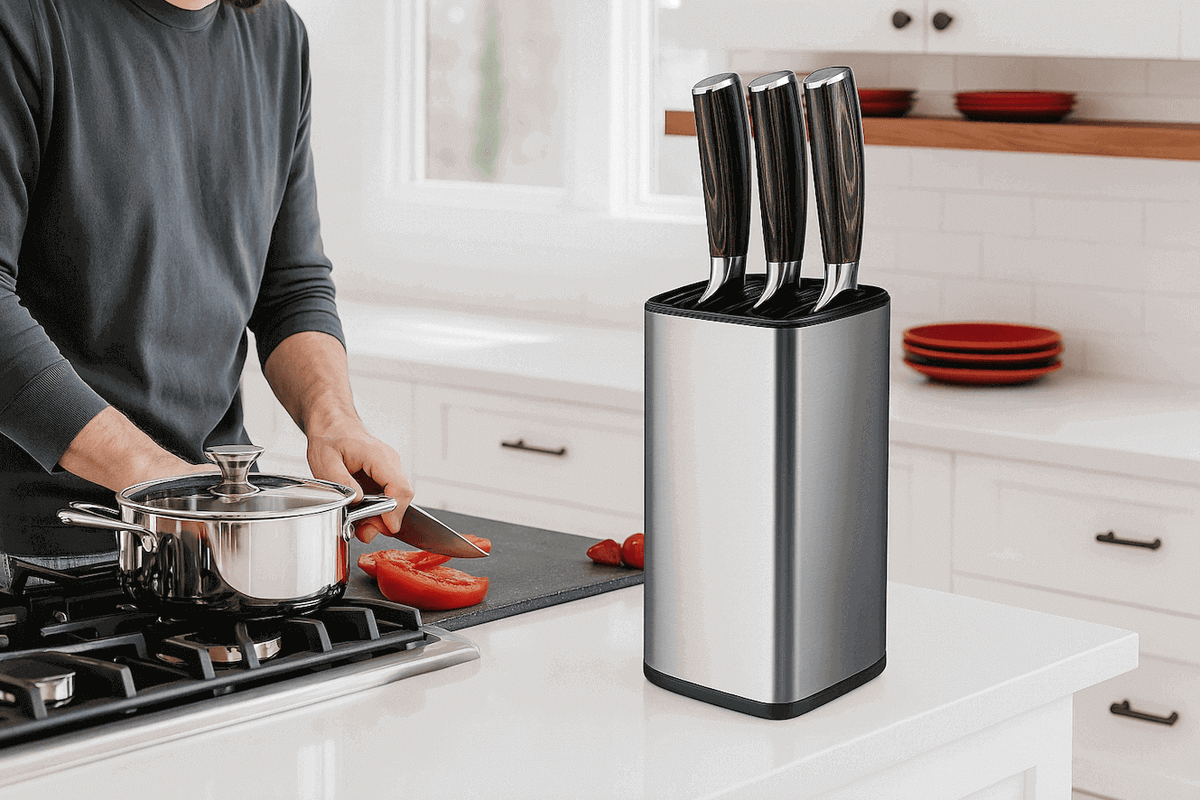
The best skinning knife is the one that lets you work quickly, cleanly, and without wasting meat. It’s that simple. Whether you’re a seasoned hunter or a meticulous butcher, choosing the right blade is no place for guesswork. Sharpness, handling,...

Read moreabout Best Skinning Knife: How to Choose the Right Model

Bloc range couteau japonais Kaitsuko
  • by Kro Lgr

Best Kitchen Knife Blocks: Comparison and Buying Tips
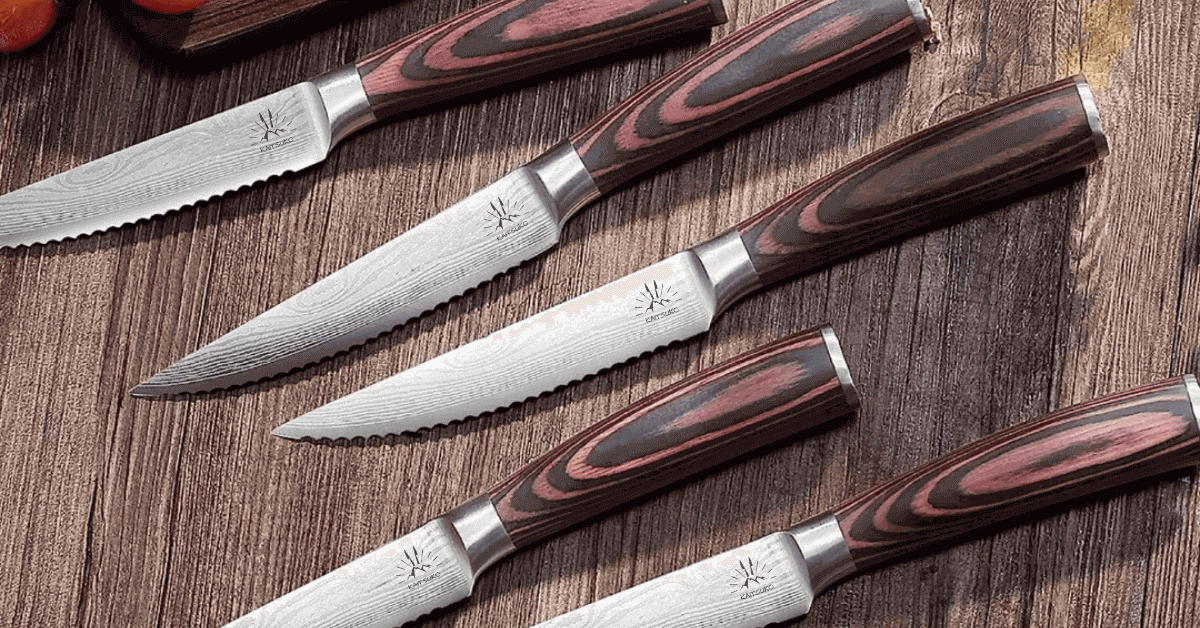
If you think a knife block is just a simple accessory, that's your first mistake. A knife block can better be described as a true ally in the kitchen: it protects your blades, optimizes counter space, and even adds a...

Read moreabout Best Kitchen Knife Blocks: Comparison and Buying Tips

Meilleurs couteaux de table : découvrez les critères essentiels pour bien choisir
  • by Caroline Lg

Best Table Knives: Complete Guide

When it comes to setting a beautiful table, choosing the right table knives isn't just a matter of style, but also about comfort and perfect cutting. A good table knife makes all the difference, both for everyday meals and special...

Read moreabout Best Table Knives: Complete Guide

The Kaitsuko Blog: the world of Japanese knives, explained by our team

These blog articles are written by the Kaitsuko team, the people who design the knives, answer your messages and use them in the kitchen every day. Most articles start from a question you have asked us, and we answer it with what we have learned from more than 100,000 customers. Here are the topics you will find.

Choosing the right Japanese knife

This is the heart of the blog. We compare blades that look alike and are always hard to choose between: Santoku or chef's knife, Nakiri or Santoku, Kiritsuke or Gyuto, Japanese knife or German knife. We also publish guides by profile, for a beginner, a left-hander, a passionate home cook or someone looking for a gift, and we give an honest answer to the question of how many knives you really need in a kitchen. Once you have made your choice, you will find these blades among our individual Japanese knives or brought together in our Japanese knife sets.

Types of knives and their uses

Every blade shape has its reason for being. Santoku, Gyuto, Nakiri, Kiritsuke, paring knife, boning knife, not forgetting traditional blades such as the Yanagiba or the Deba: we explain what each one is for, what it does better than the others and who it suits.

Cutting techniques, food by food

Having the right knife is not enough; you also need the right technique. Deboning poultry, filleting fish, carving a joint of meat, slicing vegetables without crushing them, cutting fruit cleanly: our guides pair each preparation with the right blade and how to use it.

Steels, blades and craftsmanship

Damascus steel, hammered finish, HRC hardness, sharpening angle, San Mai construction, handle materials: we translate these technical terms into concrete differences, the ones you feel once the knife is in your hand. We also tackle the bigger questions, such as what really defines a Japanese knife or how we design our own, from the initial idea to your kitchen.

Care, sharpening and repair

A Japanese knife lasts for years as long as you look after it. Washing, drying, storage, choosing between a whetstone and a honing steel, rescuing a chipped blade, taking your knives with you when travelling: every situation has its article. The equipment we talk about can be found in our Japanese knife accessories.

Japanese cooking and culture

A knife only makes sense through what you do with it. We share recipes where the cut changes the result, and we look back at the history of Japanese cutlery, from the swordsmiths to today's kitchen knives.

A question that no article answers yet? Write to us, it may become the subject of the next one.