


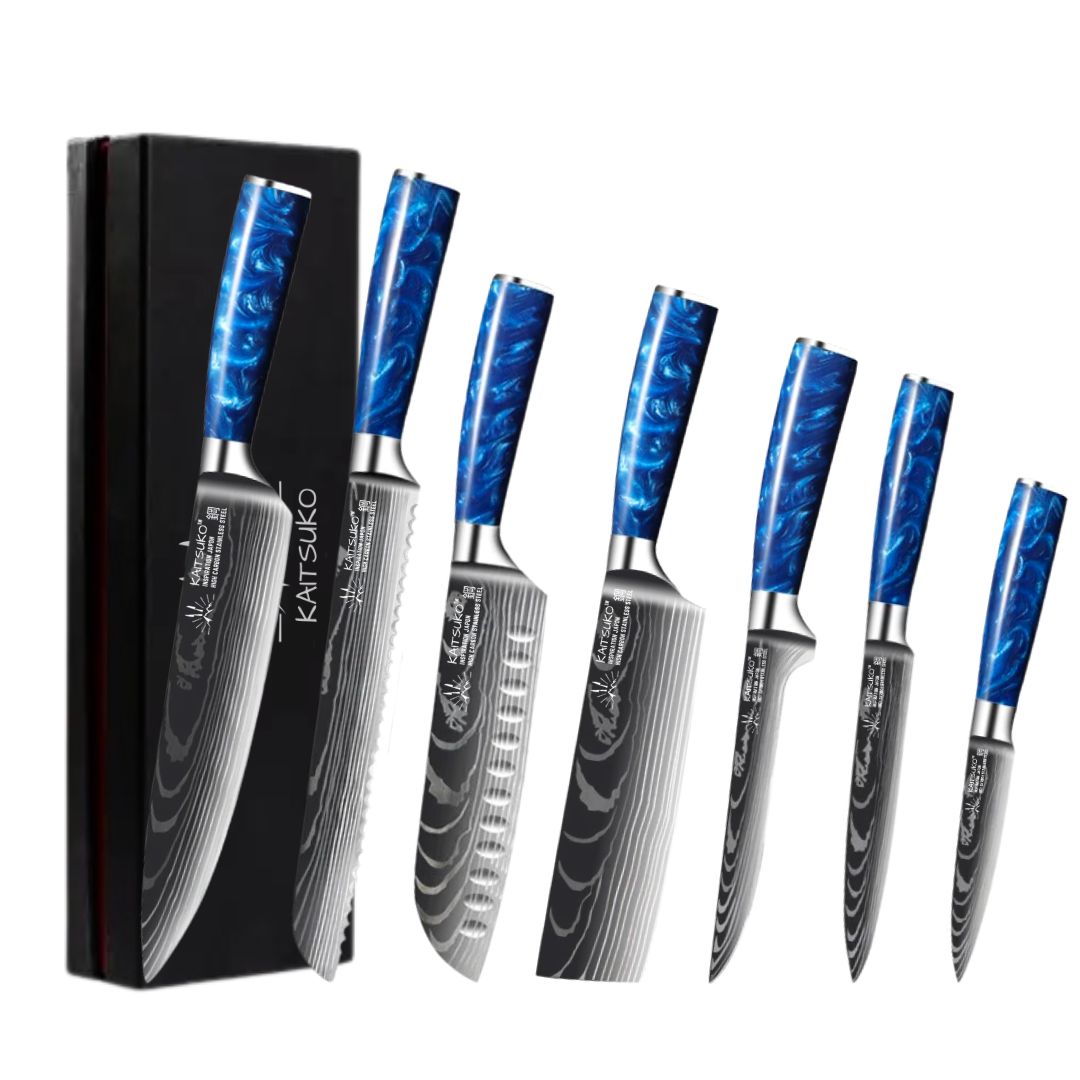

Complete Chef Tanaka Blue Set
Total value of knives individually: 504,98 €.
Save 52% By purchasing this knife set.
Also discover
Complete Chef Tanaka Blue Set
Description and technical specifications
Give (or treat yourself to) the best of Japanese craftsmanship with this exclusive set bringing together all our essential Tanaka knives. A complete collection of 7 Japanese knives, accompanied by premium accessories, designed to transform every preparation into a true culinary experience.
This unique pack combines performance, elegance and precision, and undoubtedly represents the ultimate premium gift.
The set includes:
The 7 Japanese Knives – Tanaka Forest Wood Collection
Chef's Knife – 200g
The ultimate all-rounder: meat, fish, herbs, fruits, vegetables — it handles everything with power and control.
Santoku Knife – 191g
The master of precision: perfect for chopping, slicing and mincing spices, fruits and vegetables.
Nakiri Knife – 217g
The vegetable specialist: designed to slice without damaging, with incomparable fluidity.
Bread Knife – 173g
The ally of thick crusts: ideal for all types of bread, brioche, baguettes and hard crusts.
Boning Knife – 150g
For working with finesse: remove flesh around the bone, cut small pieces with precision.
Utility Knife – 100g
The everyday knife: perfect for fine cuts and delicate work.
Paring Knife – 86g
Ideal for small cuts: herbs, fruits, vegetables, coring, slicing... an essential tool.
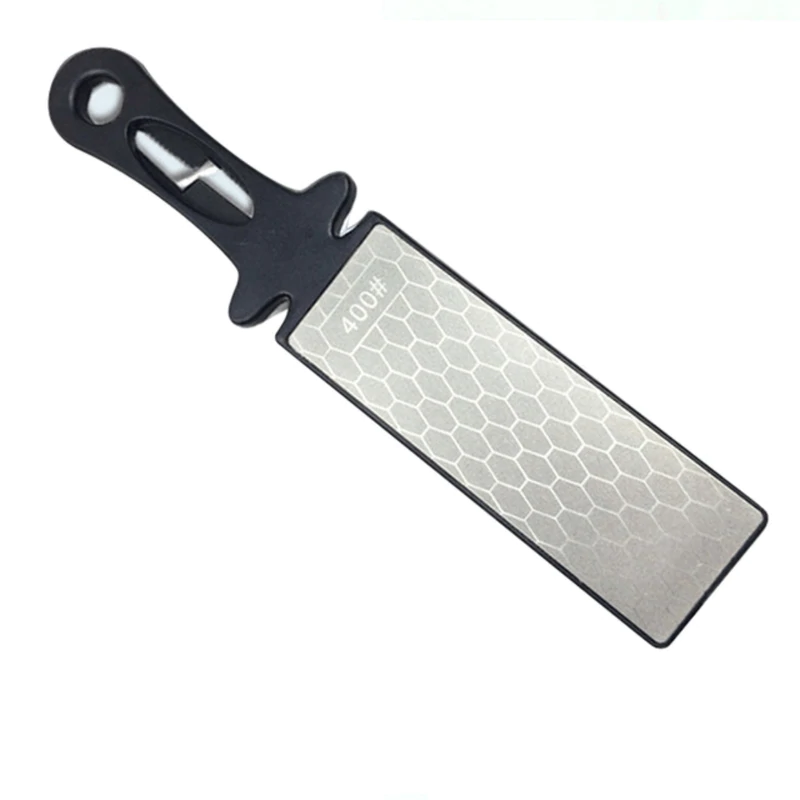
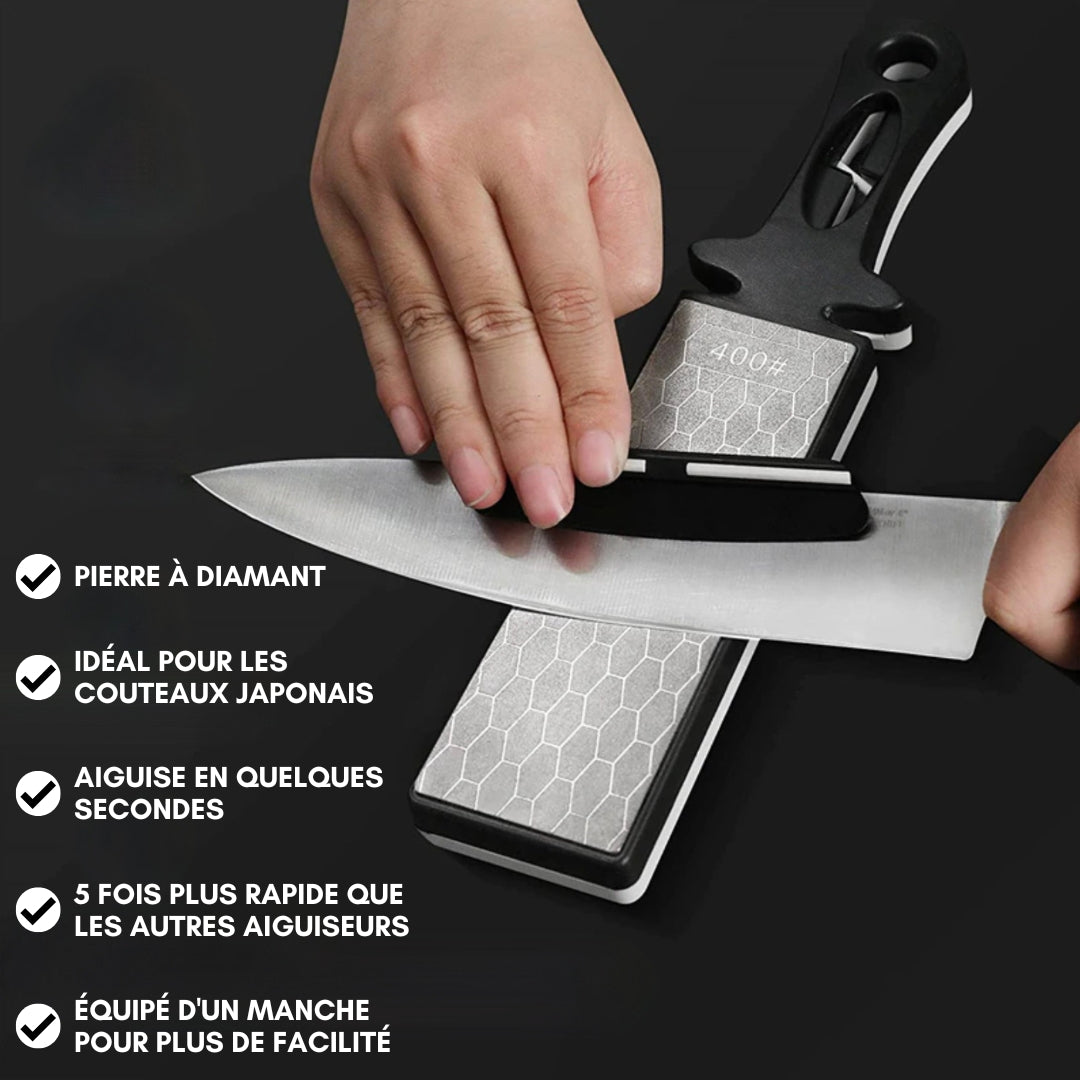
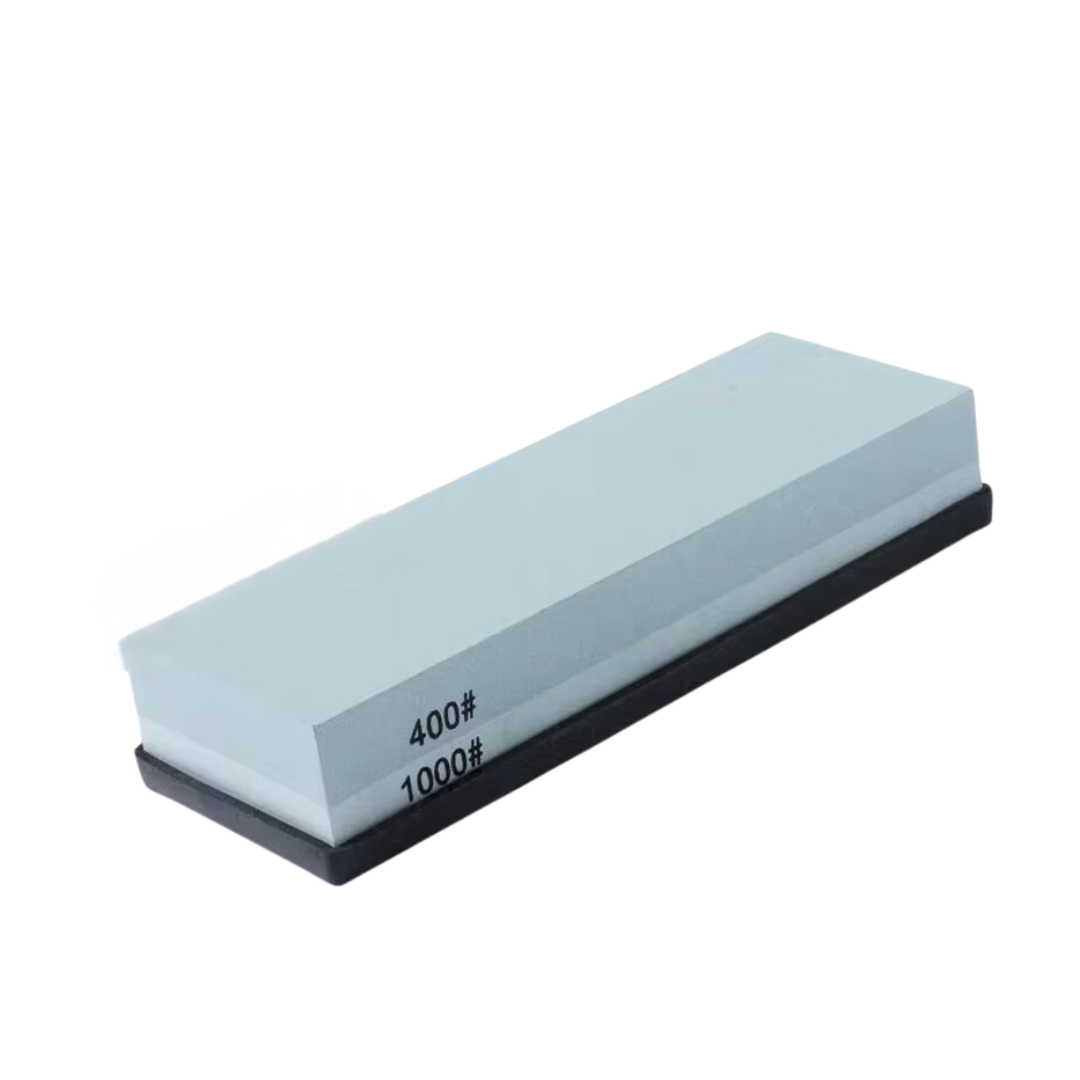
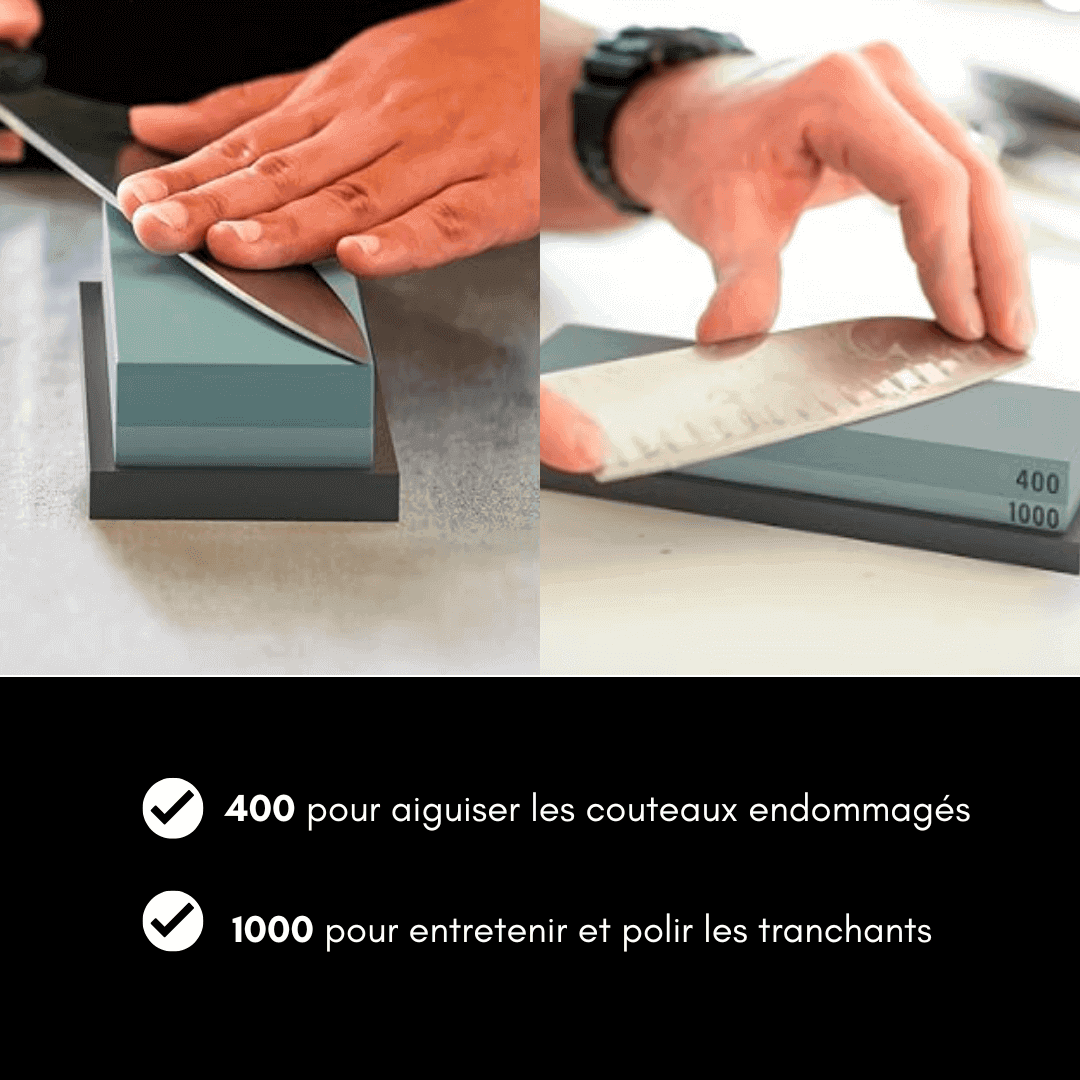
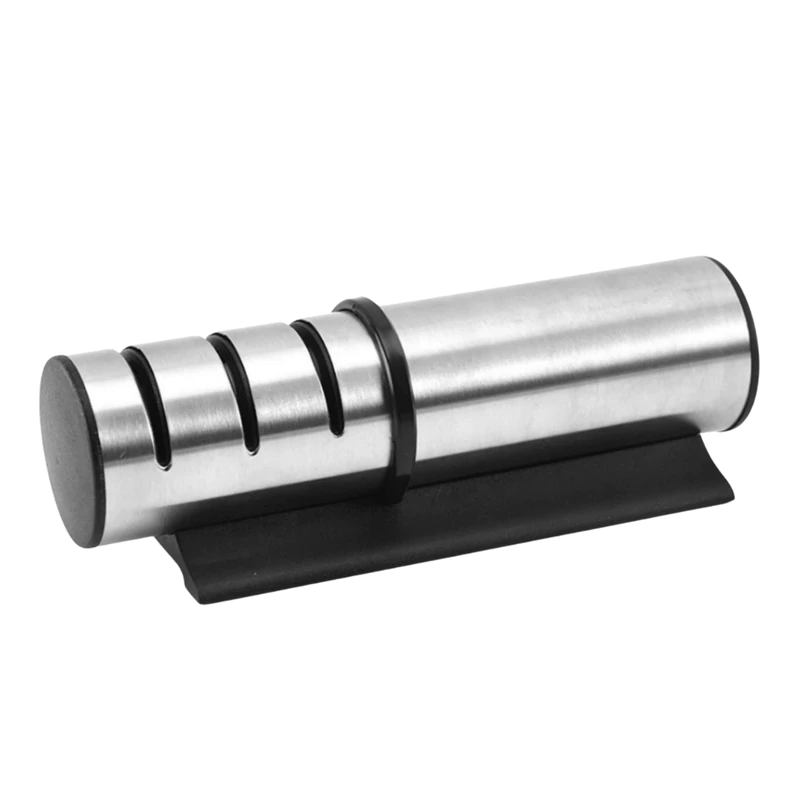
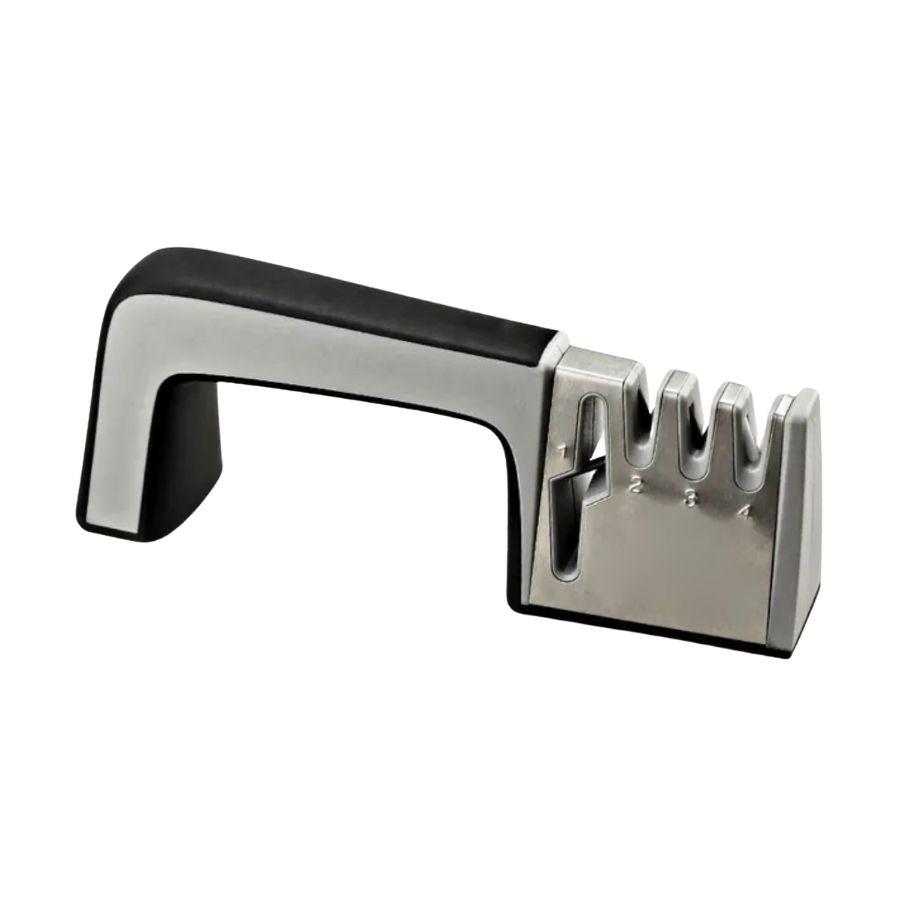
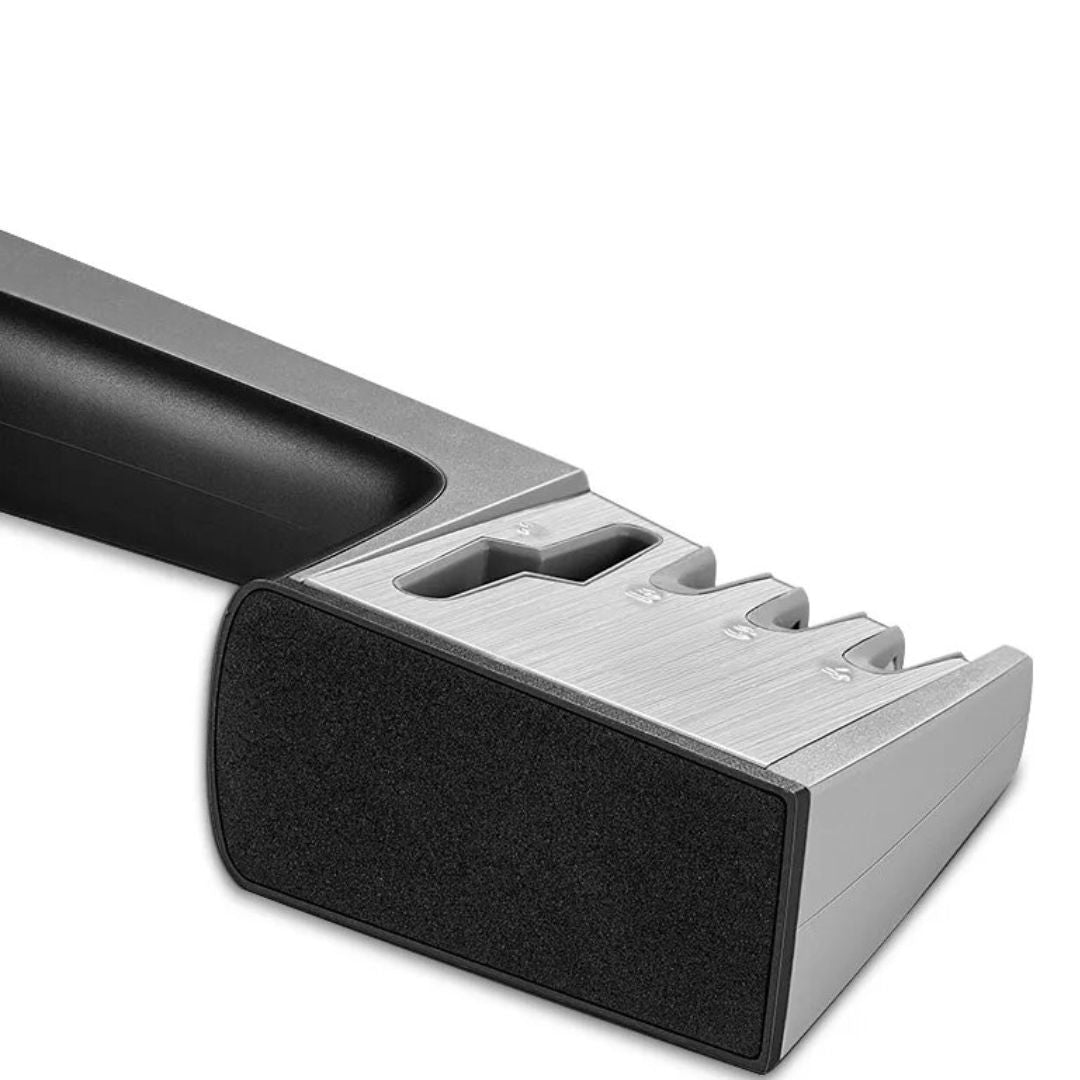
A Professional Sharpener
To maintain your blades and preserve impeccable sharpness.
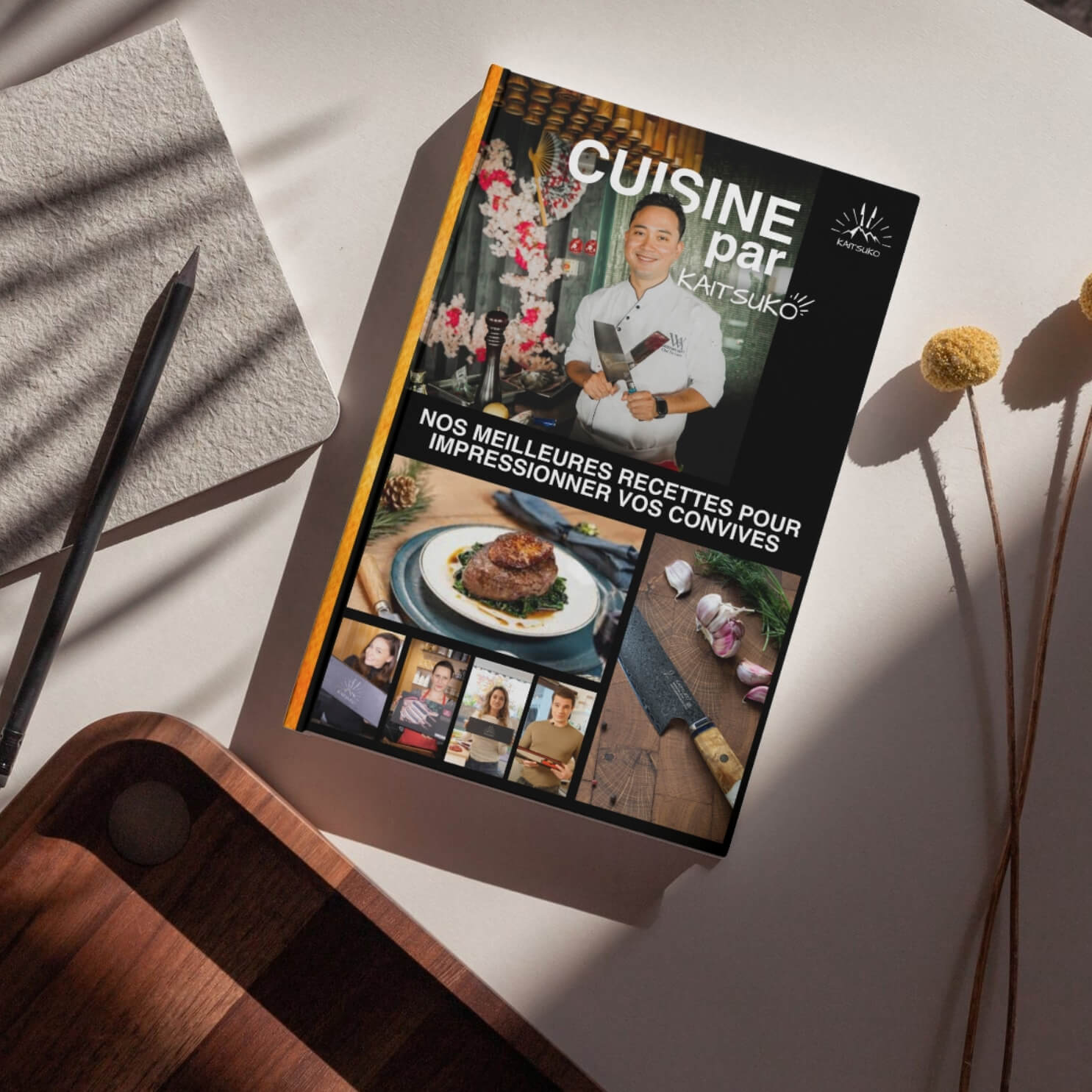
A Kaitsuko E-Cookbook included, worth €40
Recipes designed to exploit blade precision: sushi, sashimi, tempura, ramen and modern creations + technical cutting tips. Ebook version.
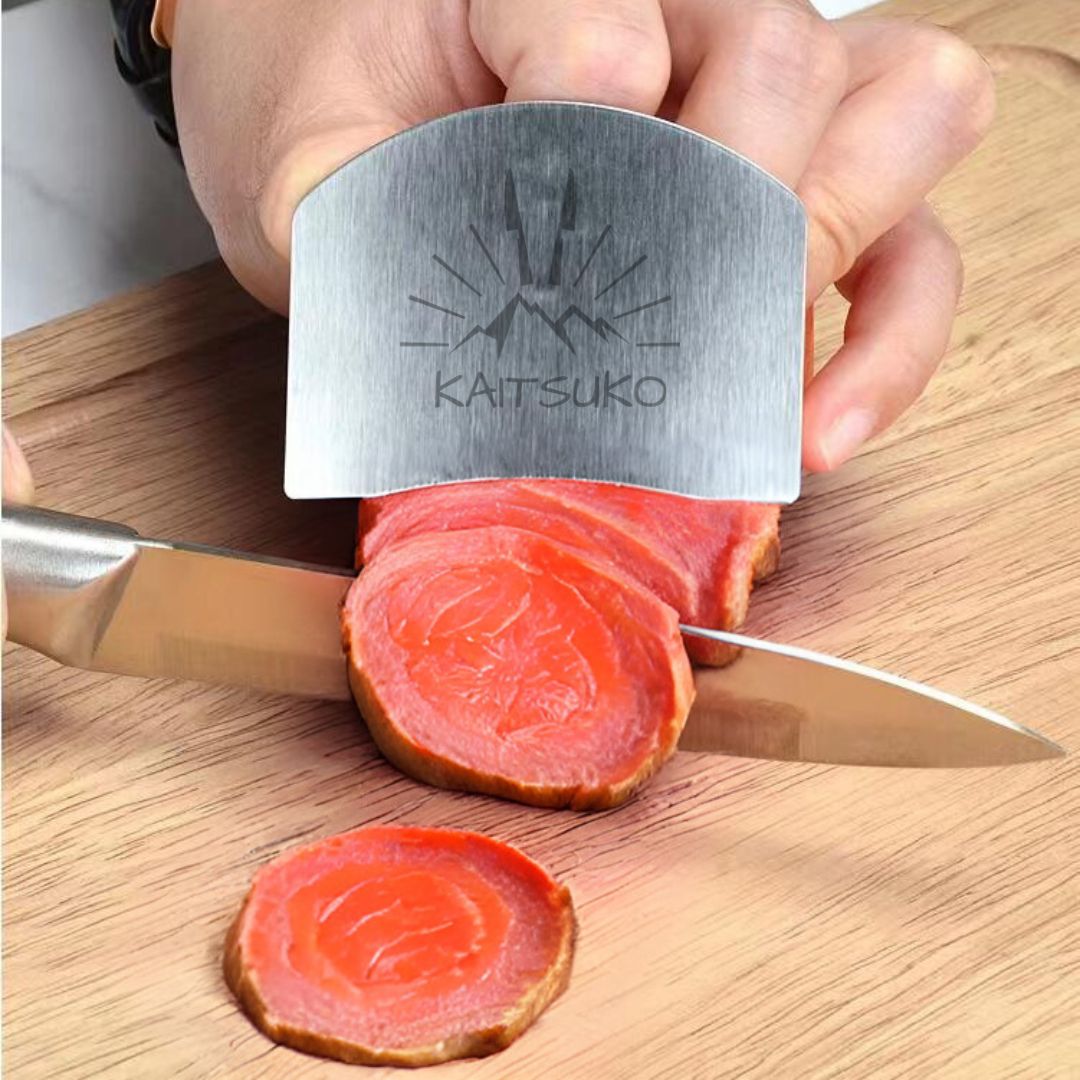
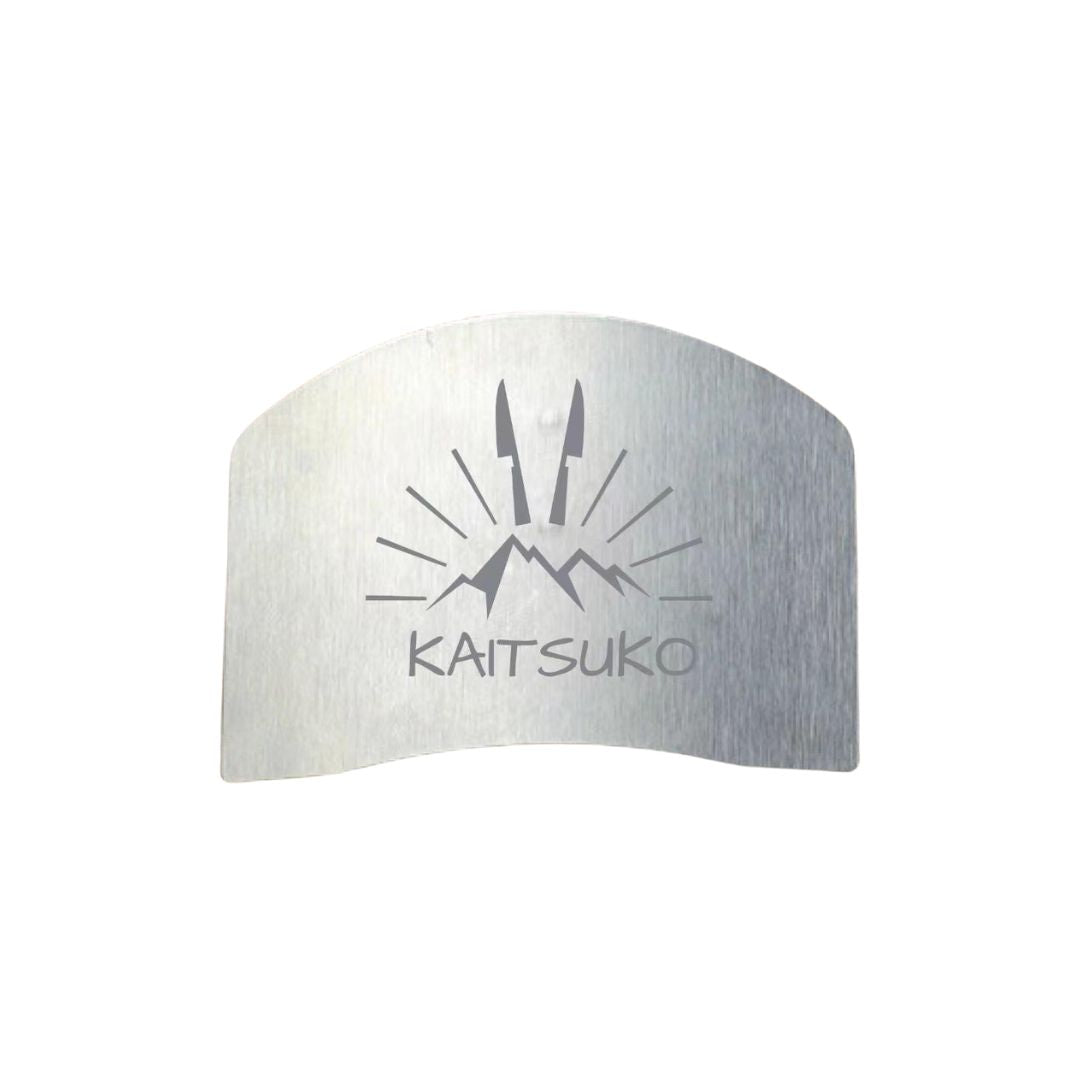
A Finger Guard Included
Stainless steel finger guard to prevent cuts or injuries.
Our History
Kaitsuko knives are specially selected by our team of enthusiasts. They are designed to offer optimal comfort of use to those who use them. The blades are of impeccable quality .
The strength and durability of our knives will allow you to use them again and again!
They maintain an exceptional sharpness despite daily use.
Kaitsuko knives allow for clean and precise cutting of all your foods. Proper maintenance of your knives will extend their lifespan. This involves careful washing and good sharpening.
Do you have a question? Check out our FAQ to find the answer! If you have another question, our customer service will be happy to answer you from Monday to Friday at info@kaitsuko.fr
-
FAQ
The answer to all your questions HERE .
-
CUSTOMER SERVICE
Contact us Monday to Friday from 8am to 6pm at info@kaitsuko.fr

OUR MISSION
Our professionally designed knives combine long-lasting sharpness, quality steel and ergonomic non-slip resin handles for comfortable and safe use.
Each blade is precision forged, providing unmatched strength. Made from 7cr17 steel, renowned for its strength, our knives deliver exceptional cutting performance.
The epoxy resin handles from the Chef Tanaka collection - Ocean Blue add a touch of originality to your kitchen.


LEARN MORE
The use of each knife
Kiritsuke Knife : The Kiritsuke knife is a versatile knife that can be used for cutting a variety of foods. Its angled blade allows for precise cuts for slicing vegetables, meat, and fish.
Chef's Knife : The Chef's knife is a versatile tool that features a long, sharp blade, as well as a fine tip for precise and efficient cuts. It is an ideal knife for slicing, chopping, and chop all types of food.
Slicing Knife : The slicing knife is designed specifically for cutting thin slices of meat, poultry, or fish. Its long, narrow blade allows it to glide easily through food. It allows for precise cuts without tearing the food.
Bread Knife : The bread knife is designed to cut through different types of bread without crushing or tearing them. Its serrated blade allows you to slice cleanly through the crispy crust, without crushing the crumb inside.
Santoku Knife : The Santoku knife is also a versatile knife that is ideal for slicing, chopping and cutting different foods. With a wide, straight blade with a rounded tip, it has a large cutting surface. In short, the This knife is perfect for making multiple preparations in the kitchen.
Nakiri Knife : The Nakiri knife is specialized in cutting vegetables. Its straight, rectangular blade offers a wide cutting surface that is ideal for chopping, slicing and mincing precisely. It can also be used as a shovel knife to transfer vegetables into the flat.
Utility Knife : The utility knife is versatile. It is designed to perform several types of tasks in the kitchen. Its size, halfway between a chef's knife and a utility knife, makes it perfect for medium-sized cutting tasks, such as slicing fruit. , vegetables, cheese, peel, or even cut food into small pieces.
Boning Knife : The boning knife is specially designed to remove meat from bones with precision. Its rigid and narrow blade allows it to follow the contour of the bones, thus reducing meat waste.
Paring knife : The paring knife is ideal for precision tasks thanks to its small size and short, pointed blade. It is perfect for peeling and cutting fruits and vegetables, as well as for making delicate cuts. Versatile and handy, the paring knife is often used for detailed work that requires great precision. Whether it's for removing seeds from a fruit, coring tomatoes or chopping herbs, this knife is an essential companion for amateur and professional chefs.
Steak Knife : Steak knives, also called "table knives," are knives designed specifically for cutting cuts of meat during meals. They have a serrated blade that makes it easy to slice through pieces of meat without tearing the fibers.
Nordic Knife : Nordic knives are also known as Scandinavian knives. They are sturdy and versatile and can handle a wide range of kitchen tasks. They can also be used for cutting wood or preparing food during cooking sessions. hunting or camping.
Knife maintenance
- Never put knives in a dishwasher.
- Wash knives by hand and wipe the blade thoroughly with a soft, dry cloth to maintain the efficiency and quality of the blade.
- Clean the blades with soapy water.
- If the knives have wooden handles, dry them thoroughly before storing.
- Knives do not stay sharp for life, no matter the blade; it is therefore advisable to sharpen them as soon as the edge becomes less sharp.
- Do not use the edge of the knife to push food onto the board. Use the back of the blade instead.
- Never use the abrasive side of sponges to clean blades.
- Cut food on a wooden board to avoid damaging the blade of your knives.
- Do not make any cuts in a pan or baking dish to avoid damaging the blade of the knives.
COMPLETE YOUR PURCHASE

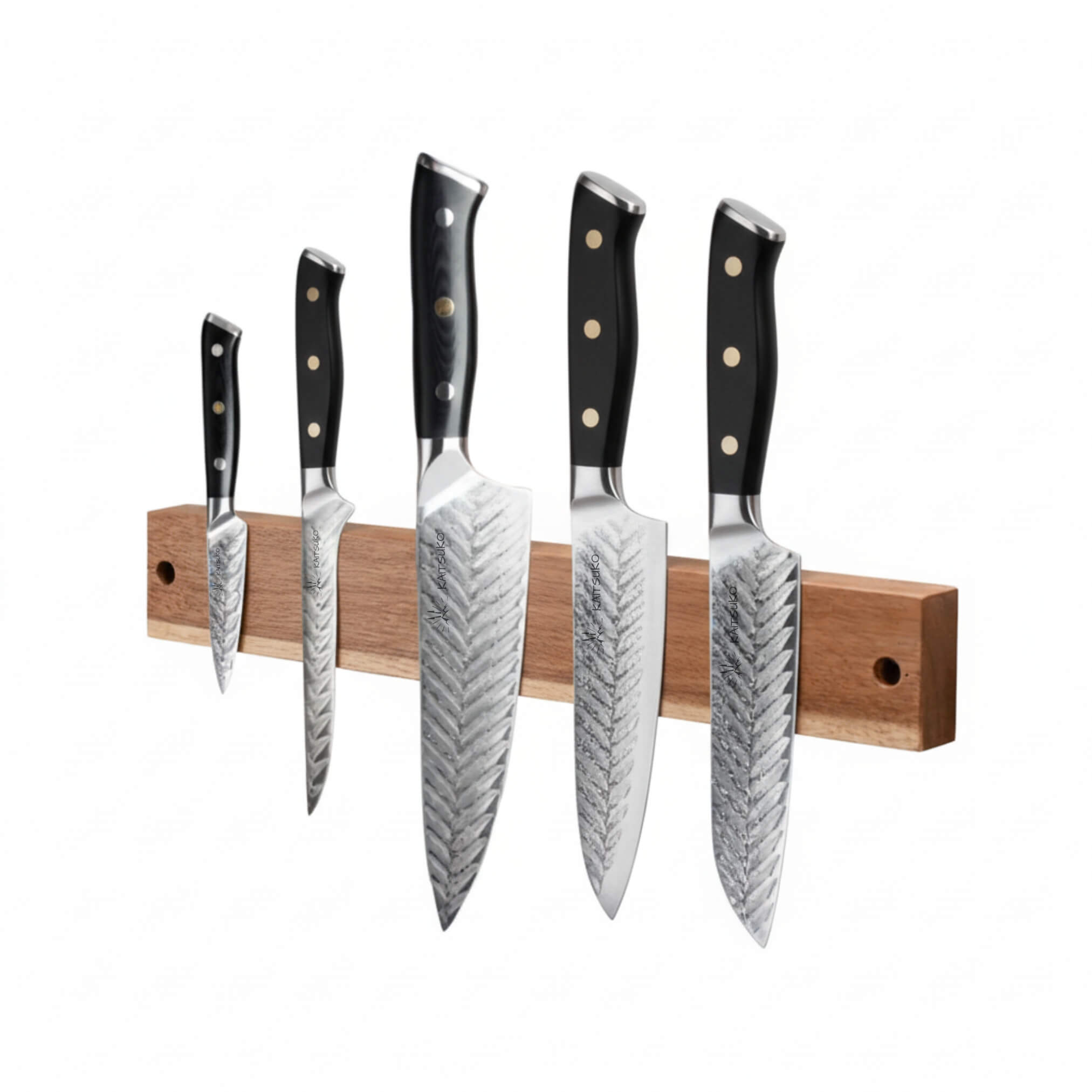
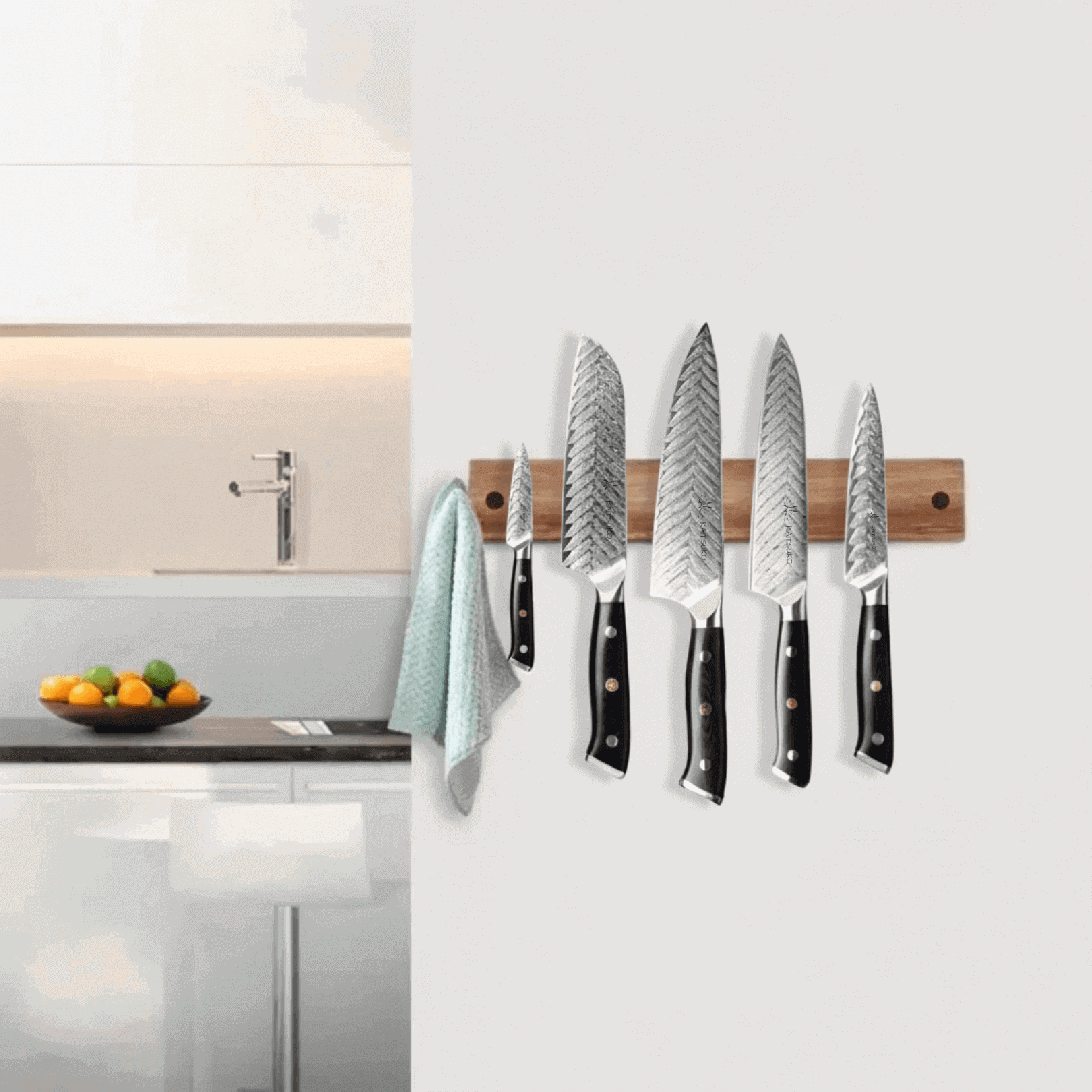
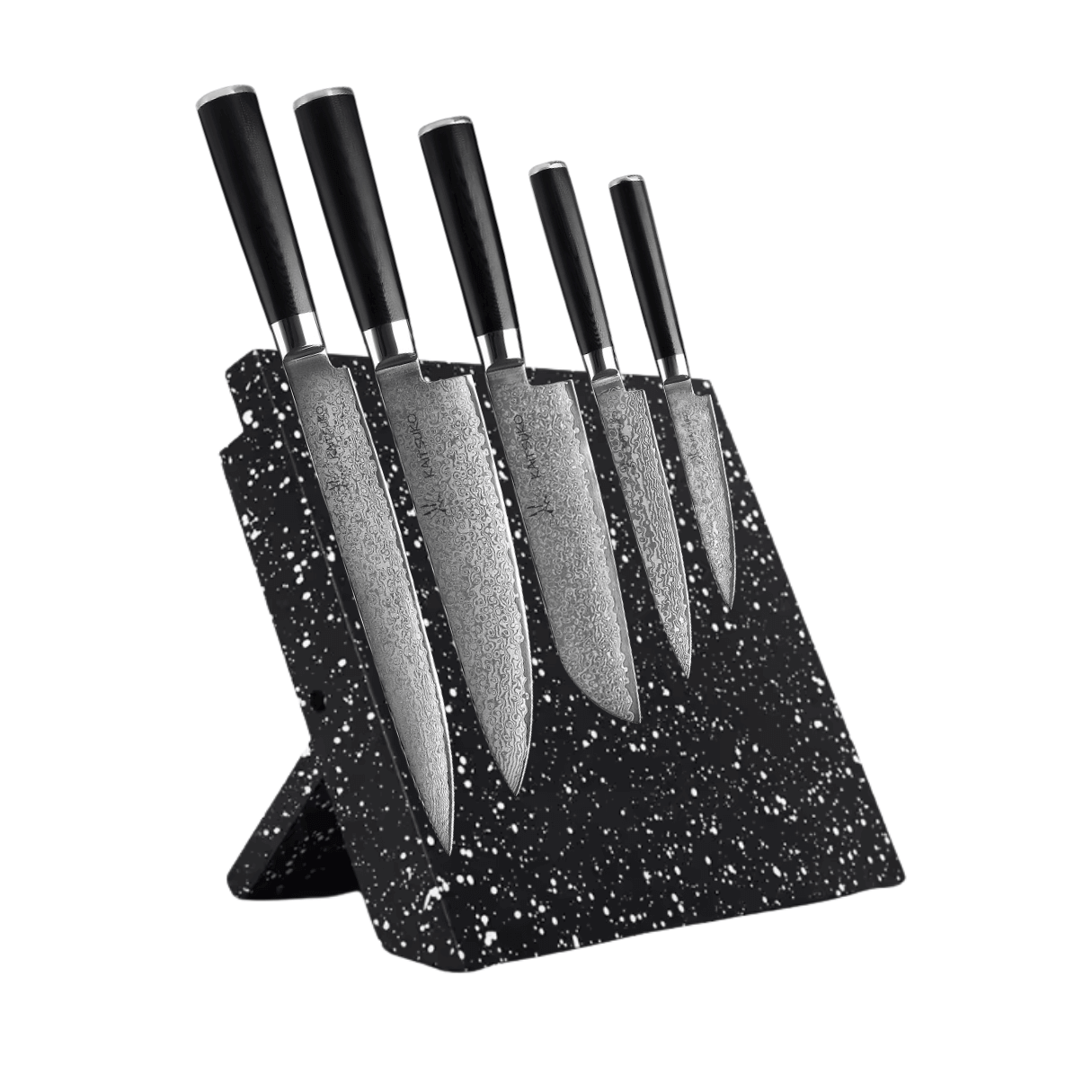
Magnetic Wall Mount Knife Holder
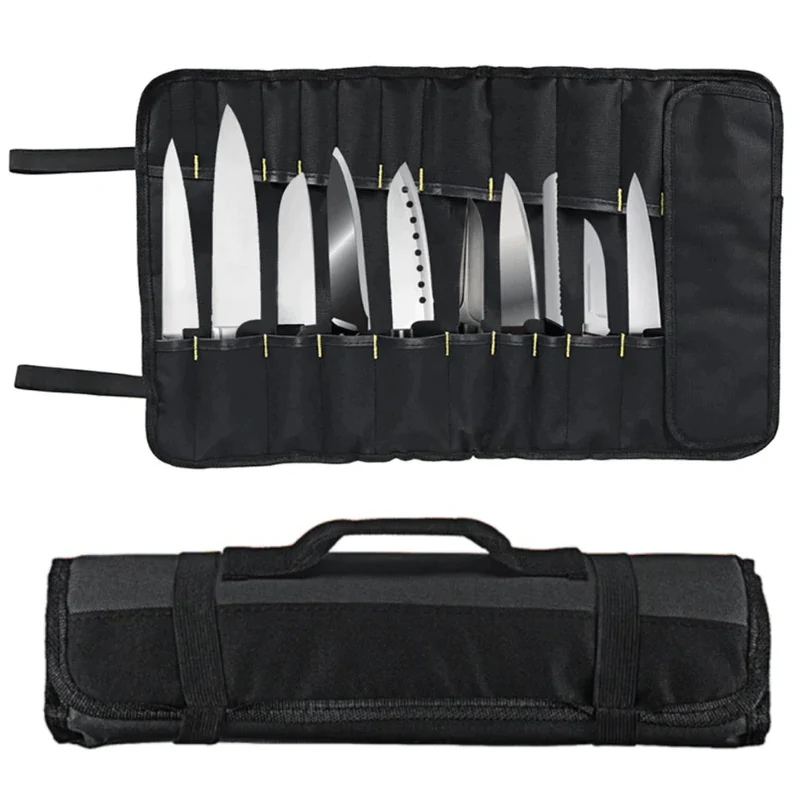
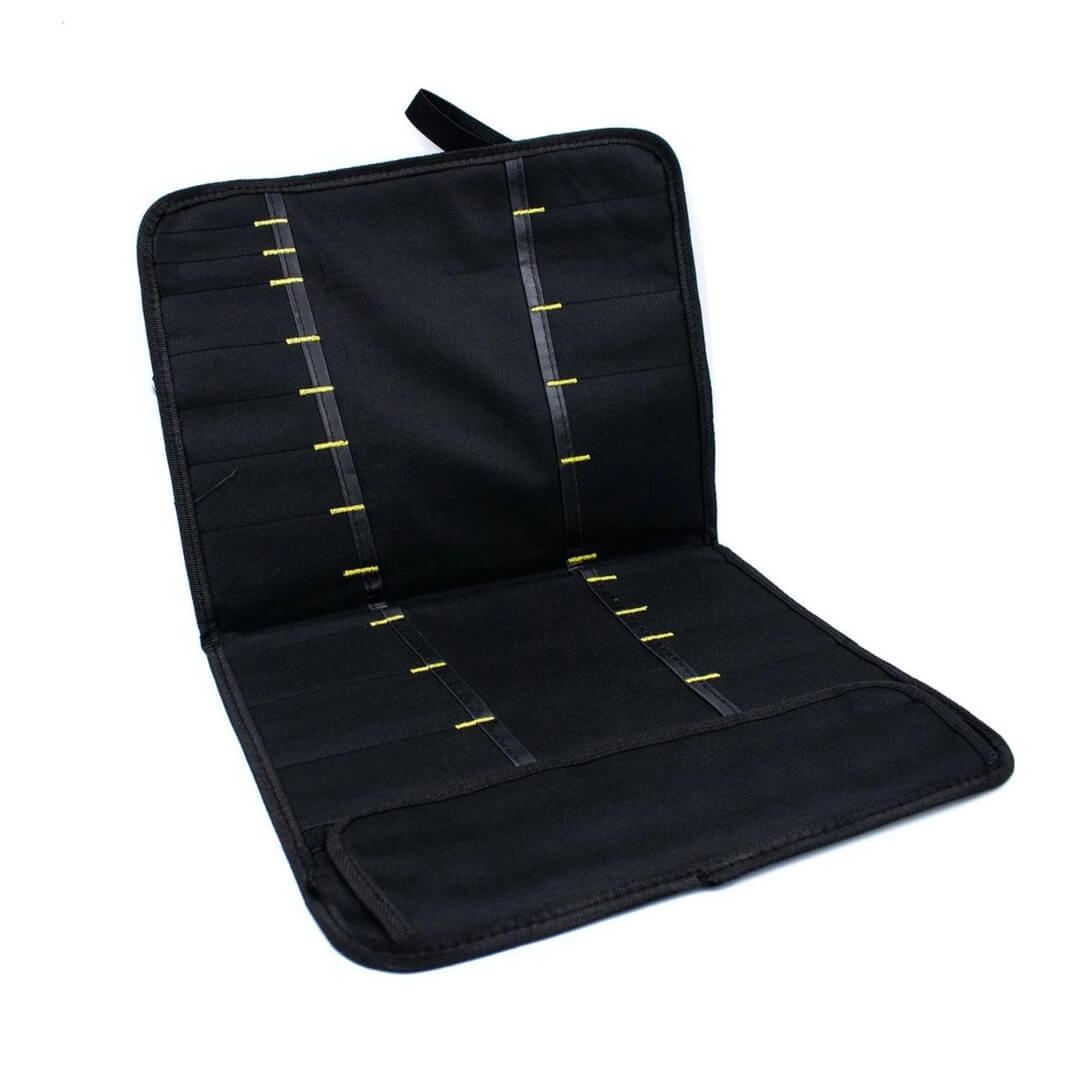
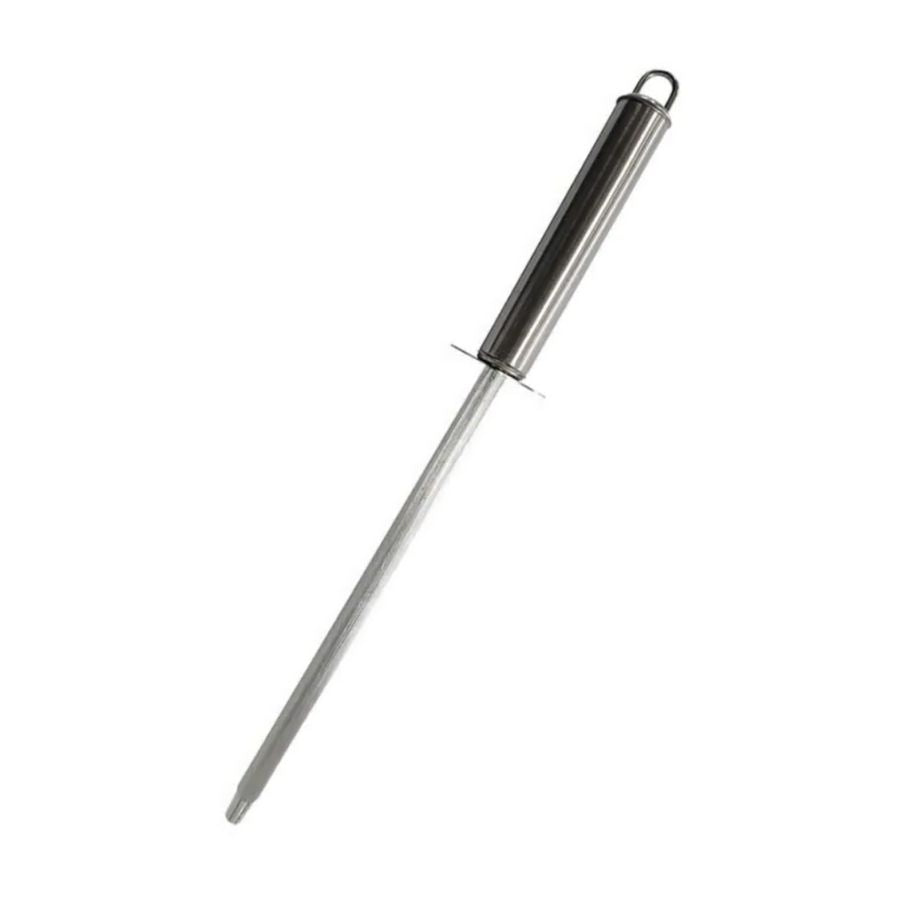
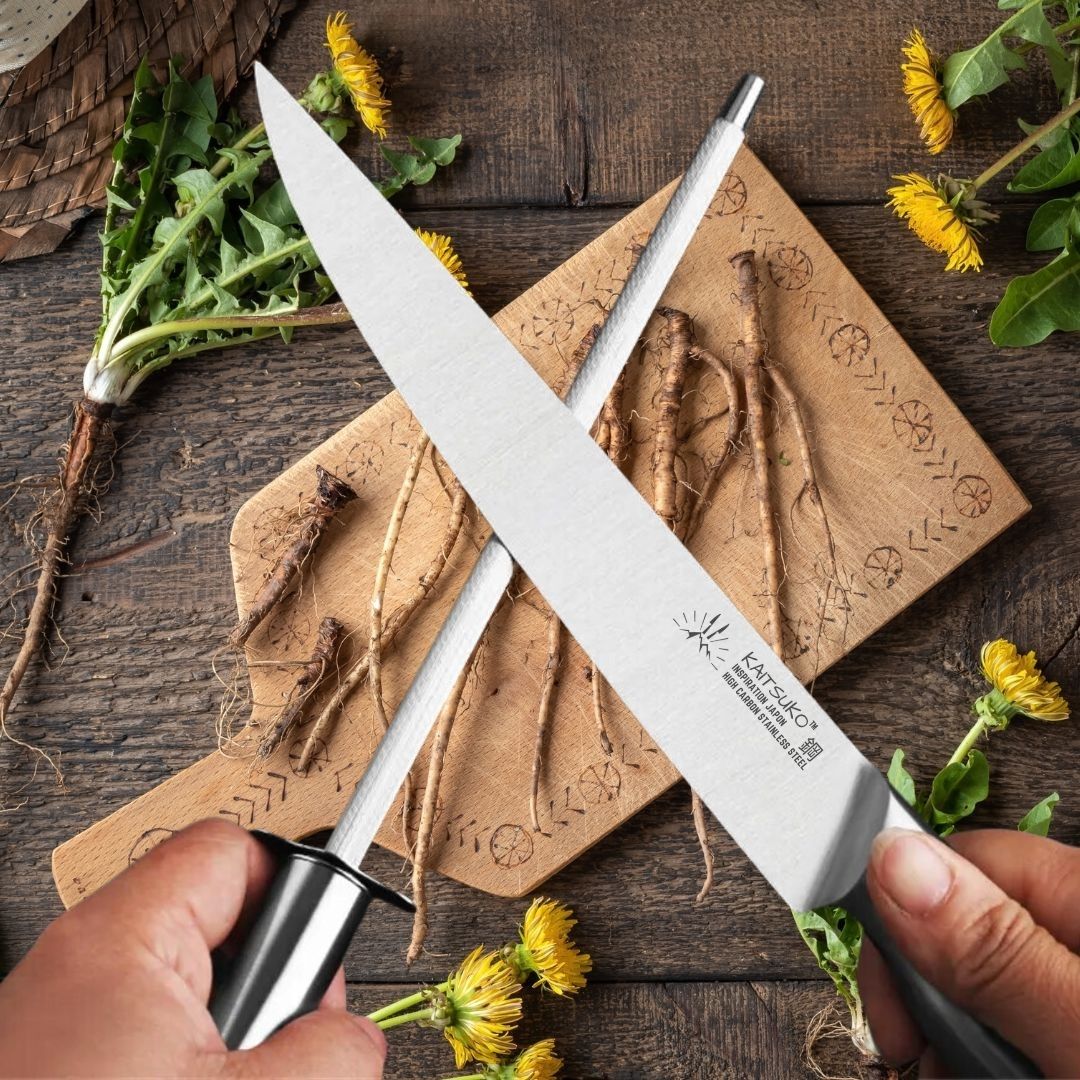
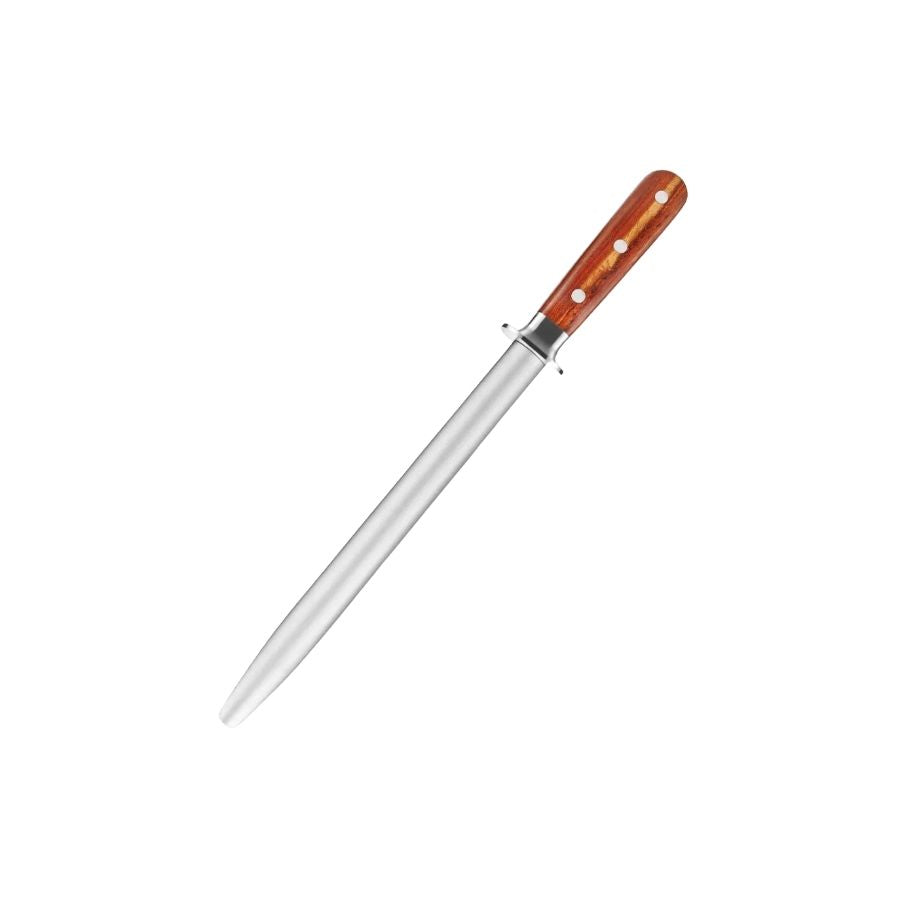
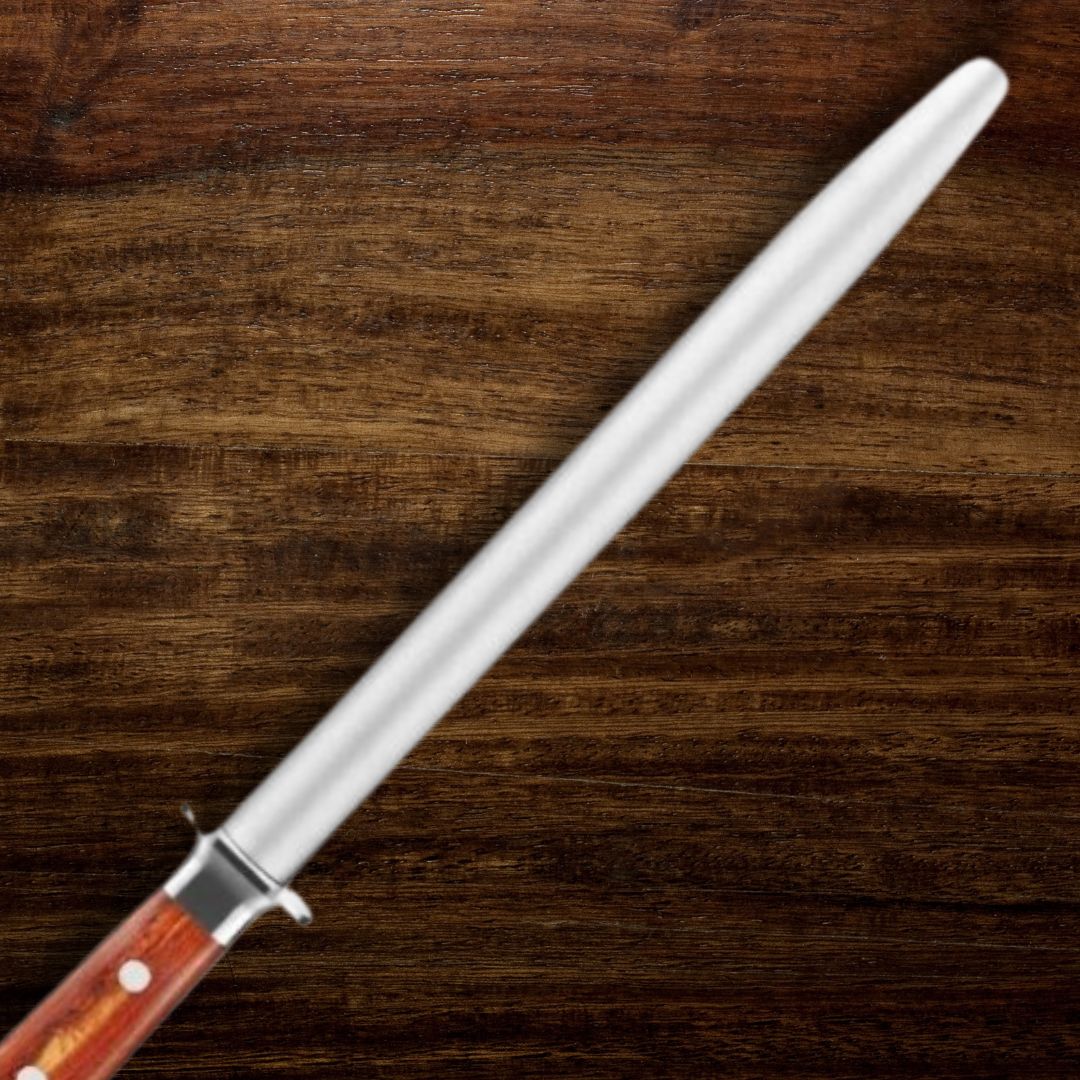
Sharpening steel - Wooden handle - 20cm
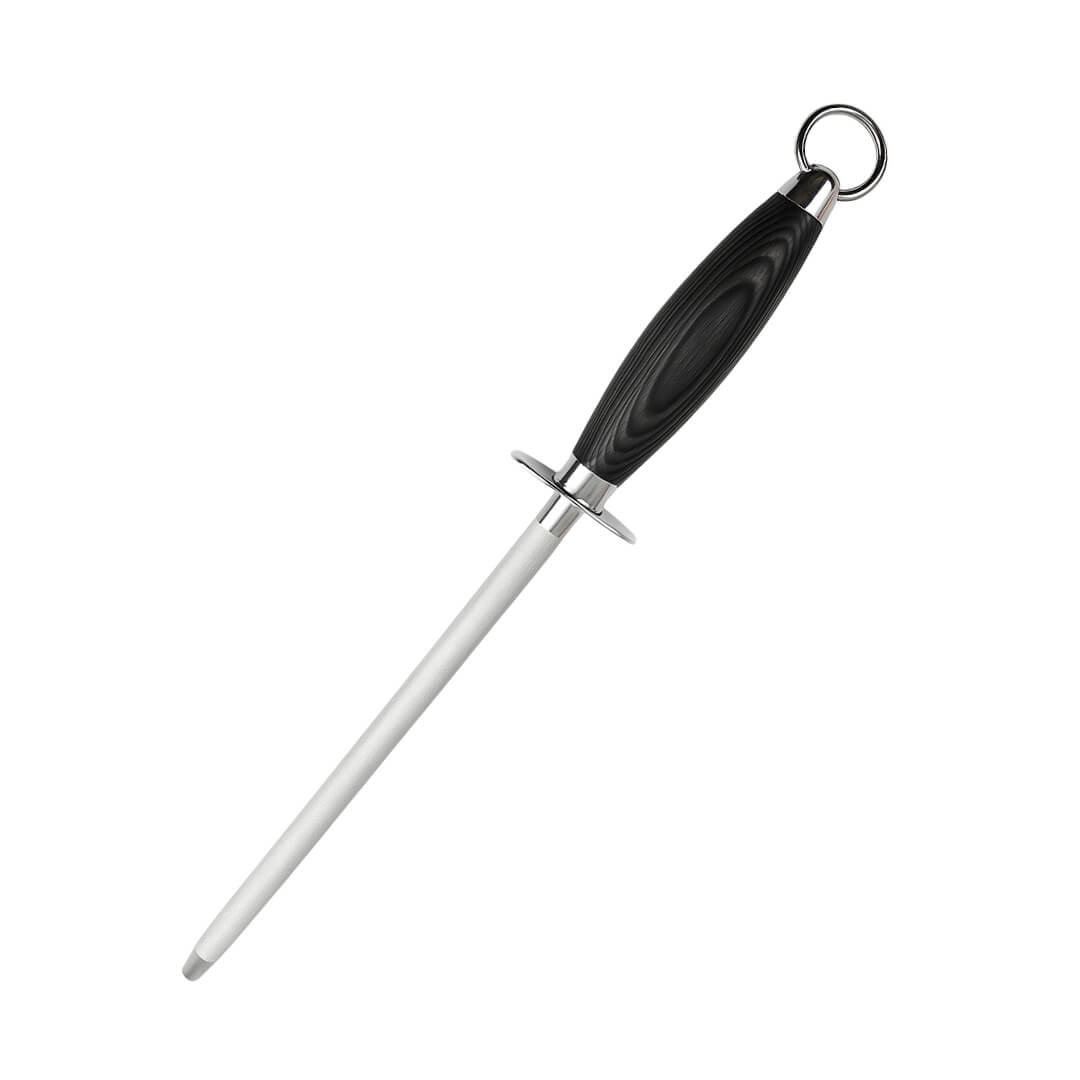
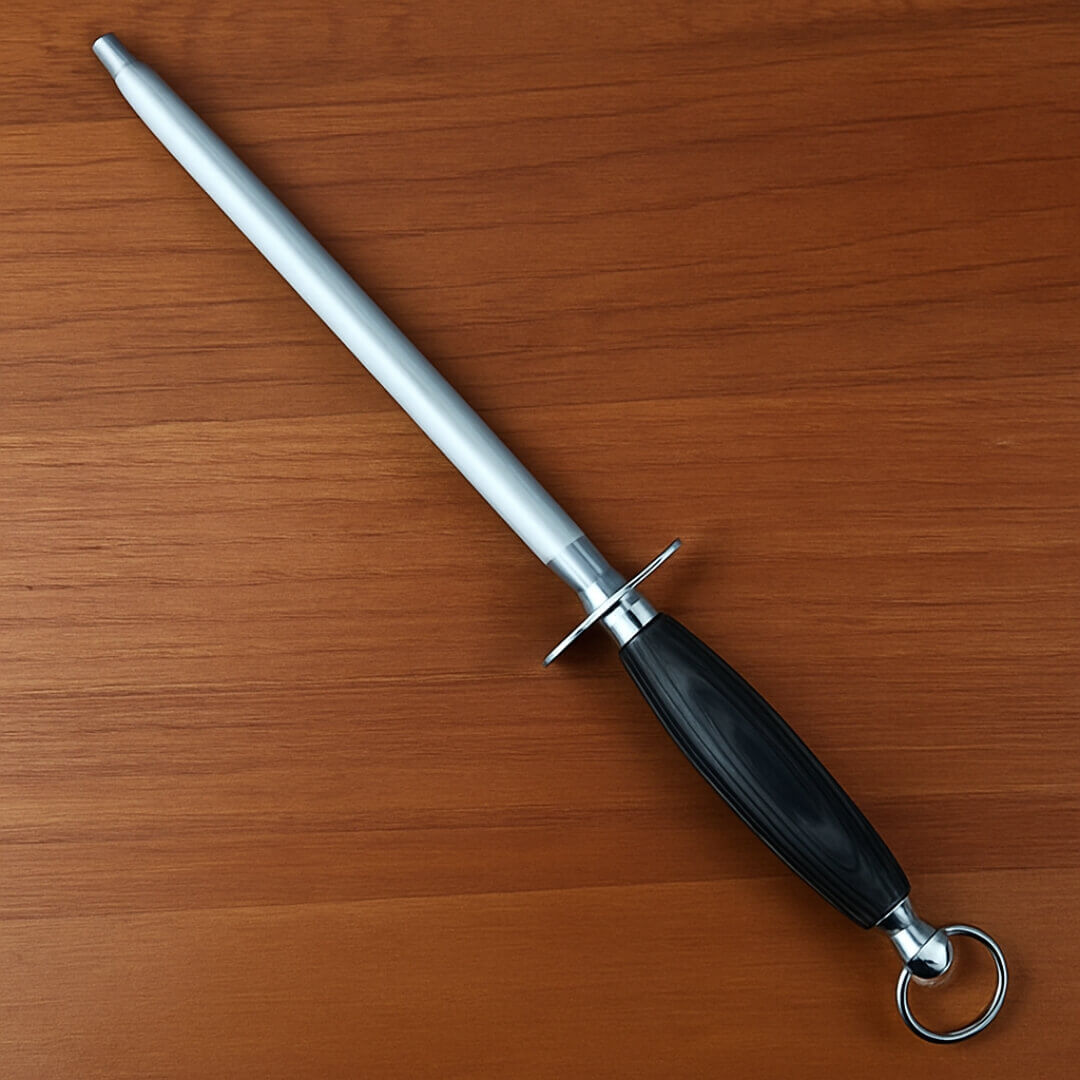
Professional Knife Steel – Dark Wood – 23 cm