
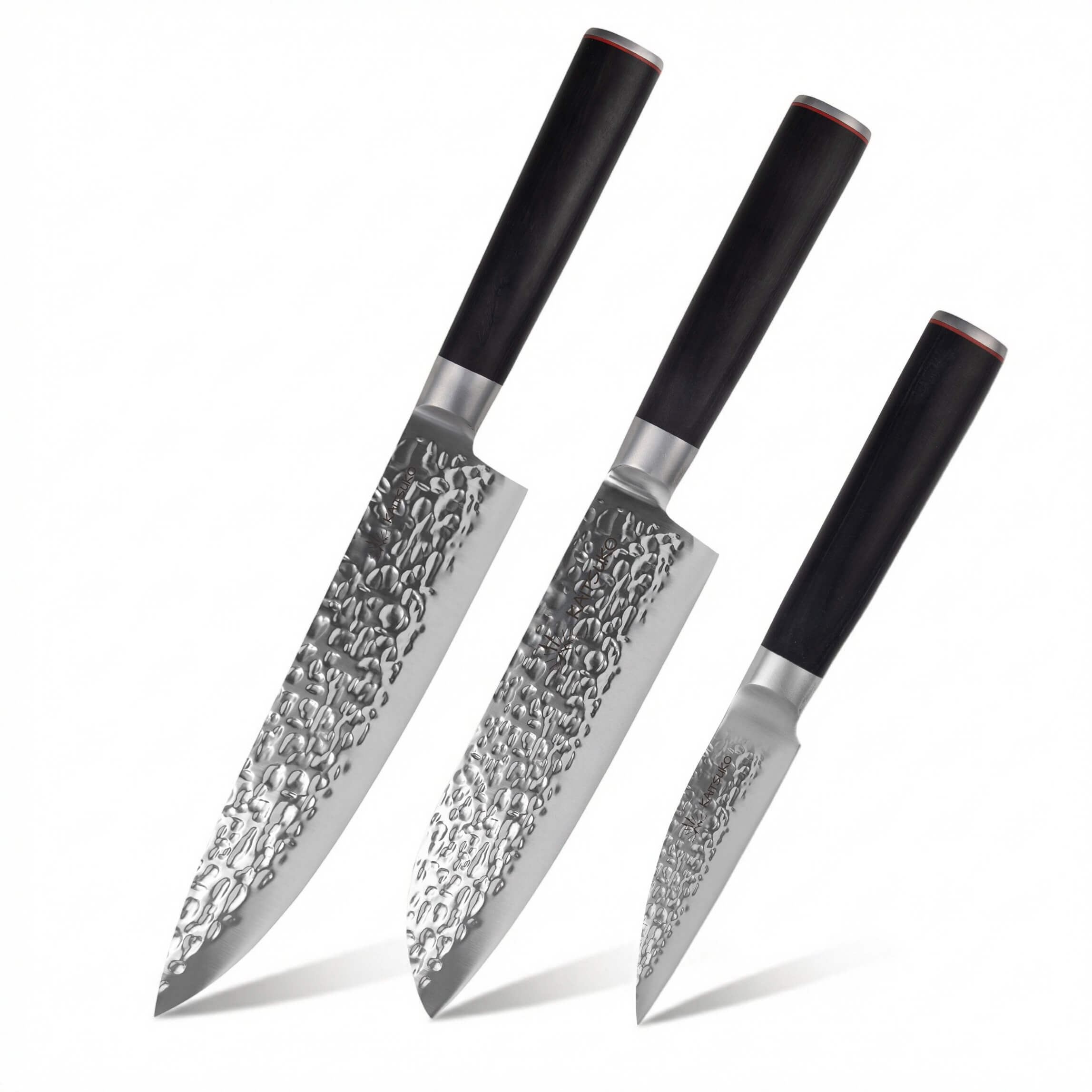
Set of 3 Japanese knives - Kaito
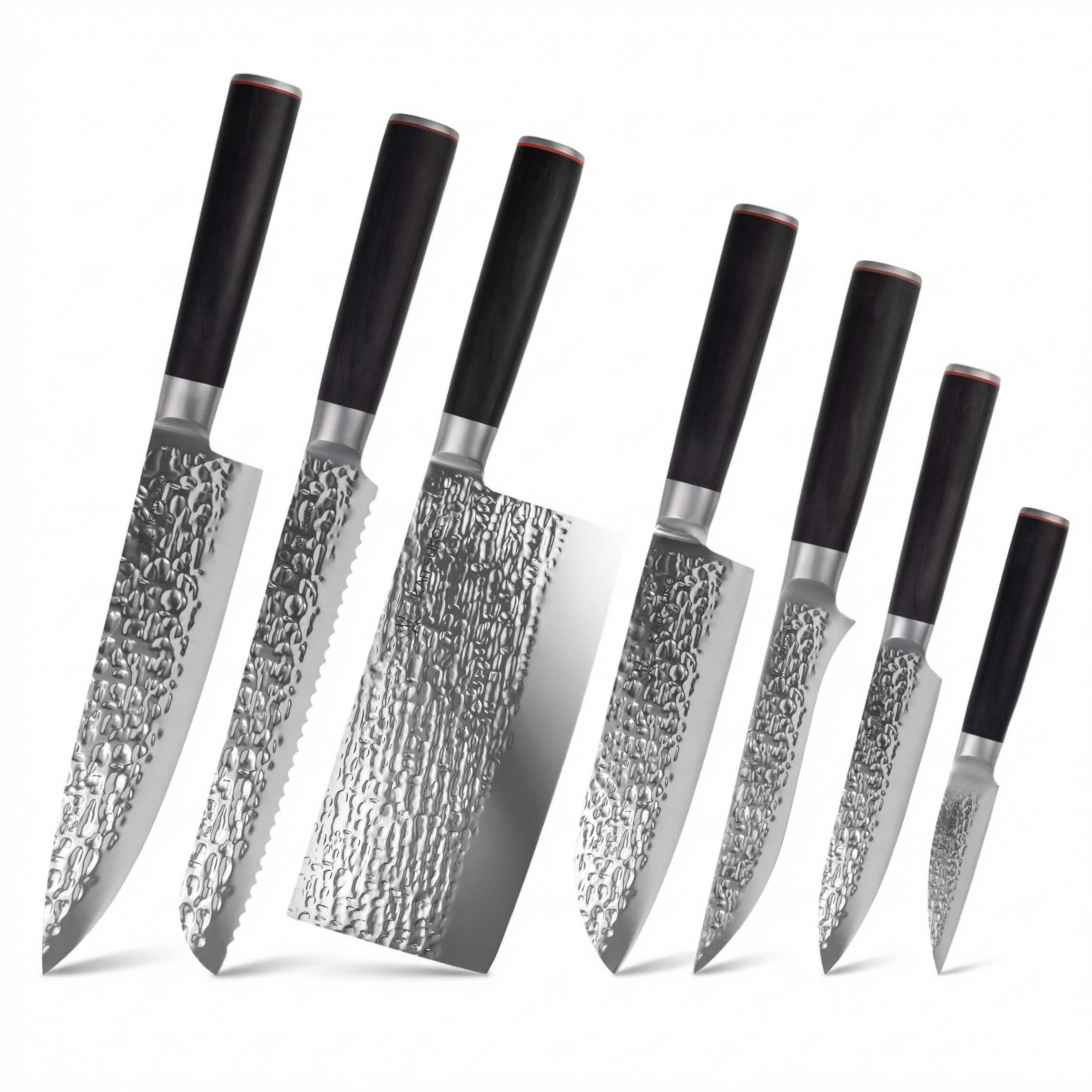
Set of 7 Japanese knives - Kaito
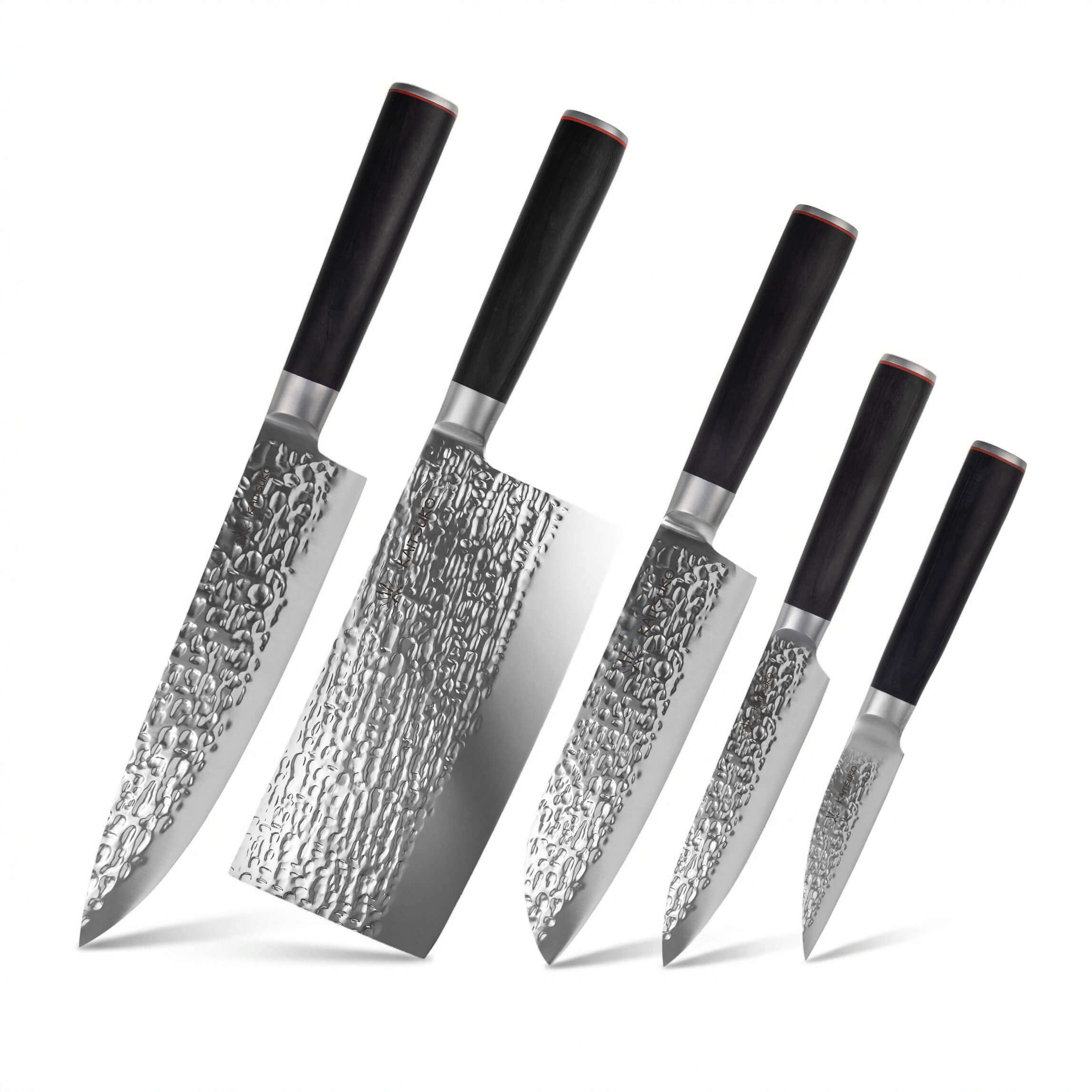
Set of 5 Japanese knives - Kaito
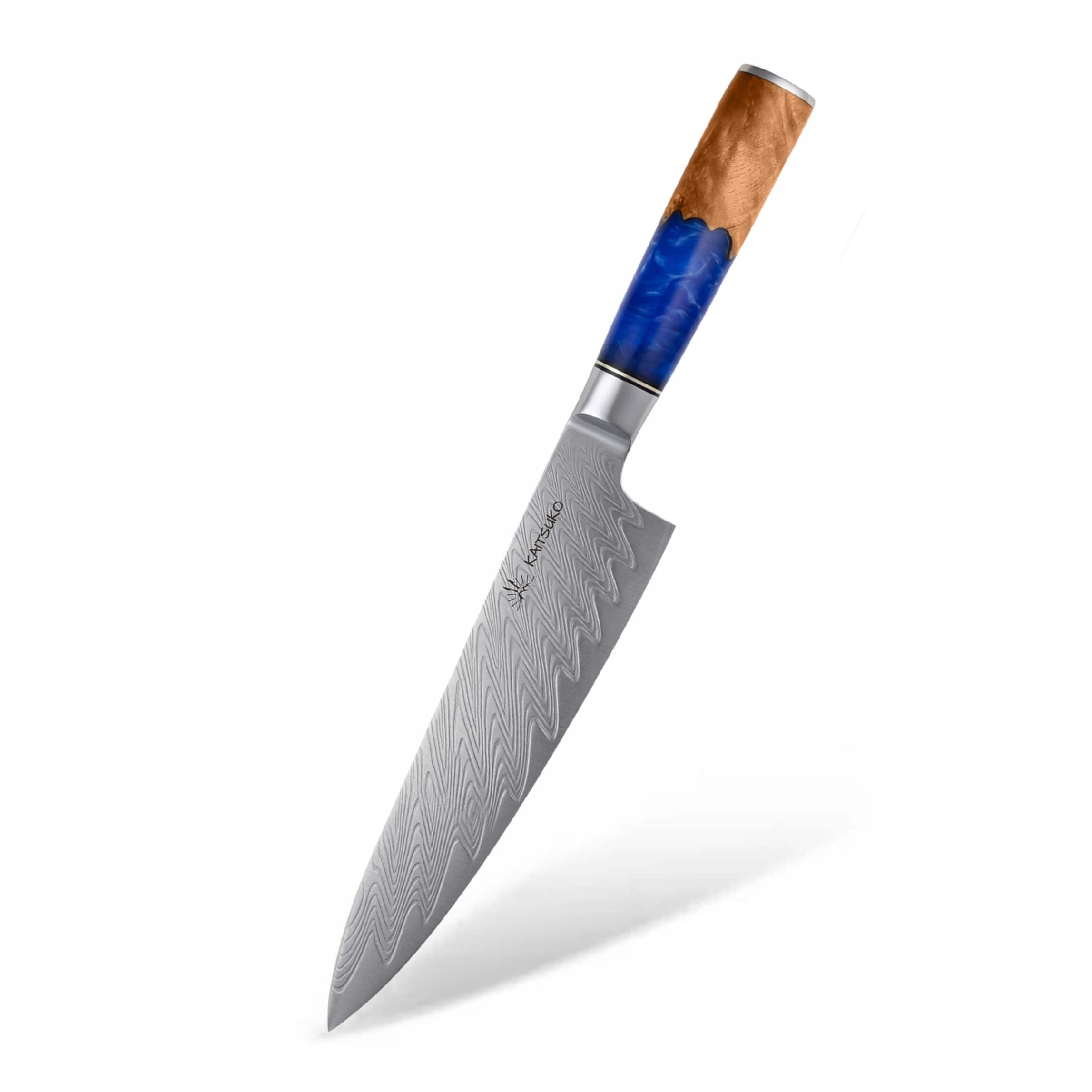
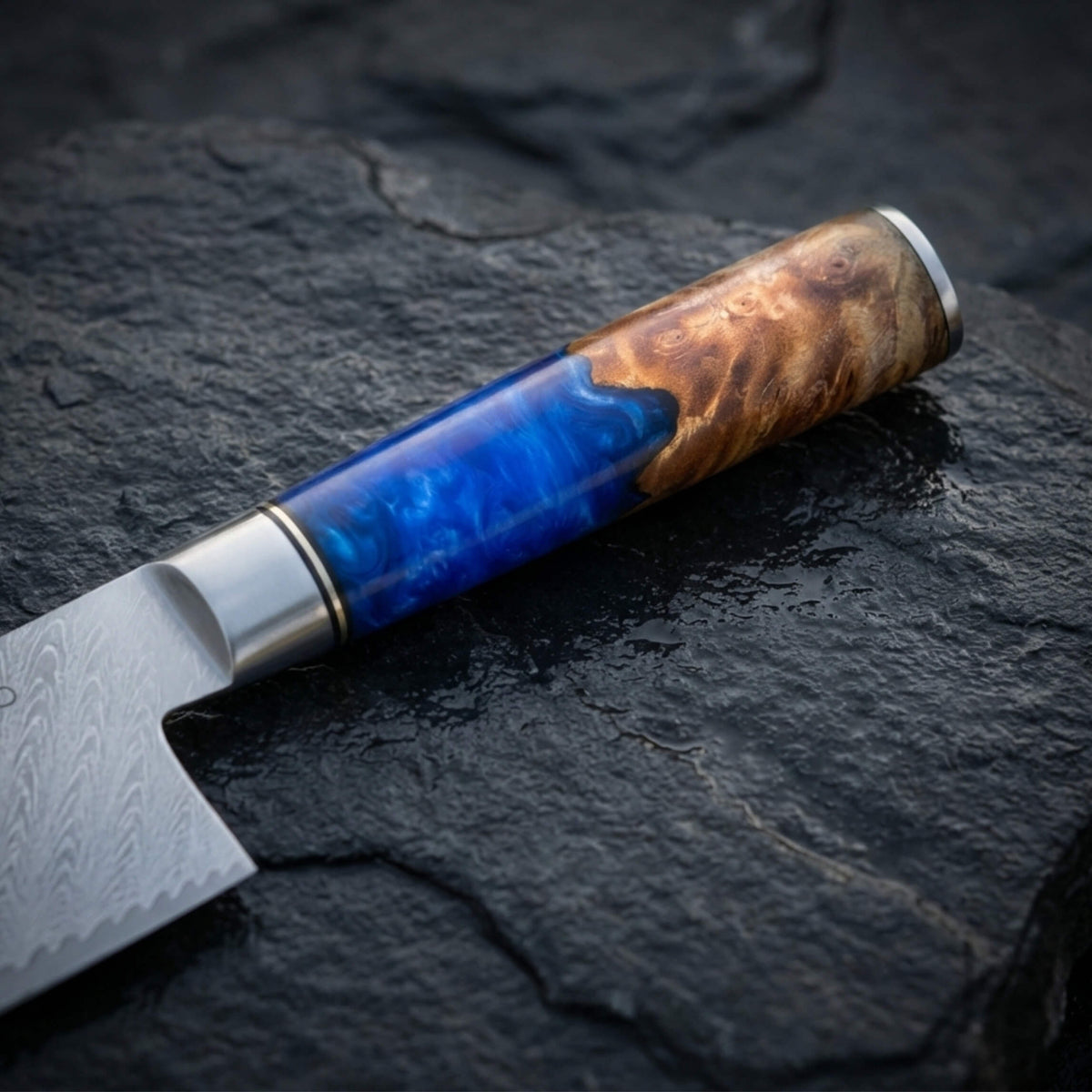
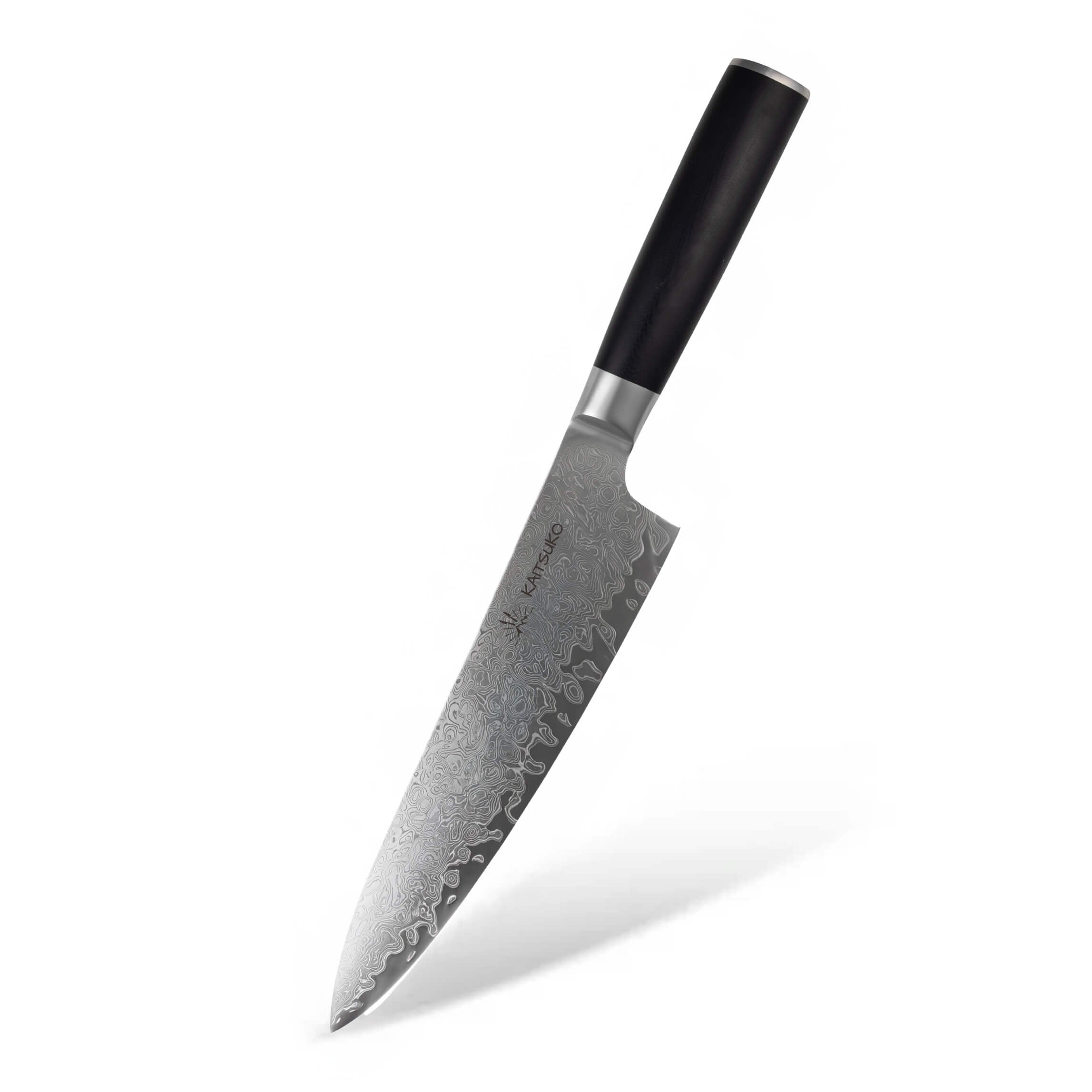
Chef's knife - Yellow Sea series


Set of 5 Japanese knives - Chef Yakumoto
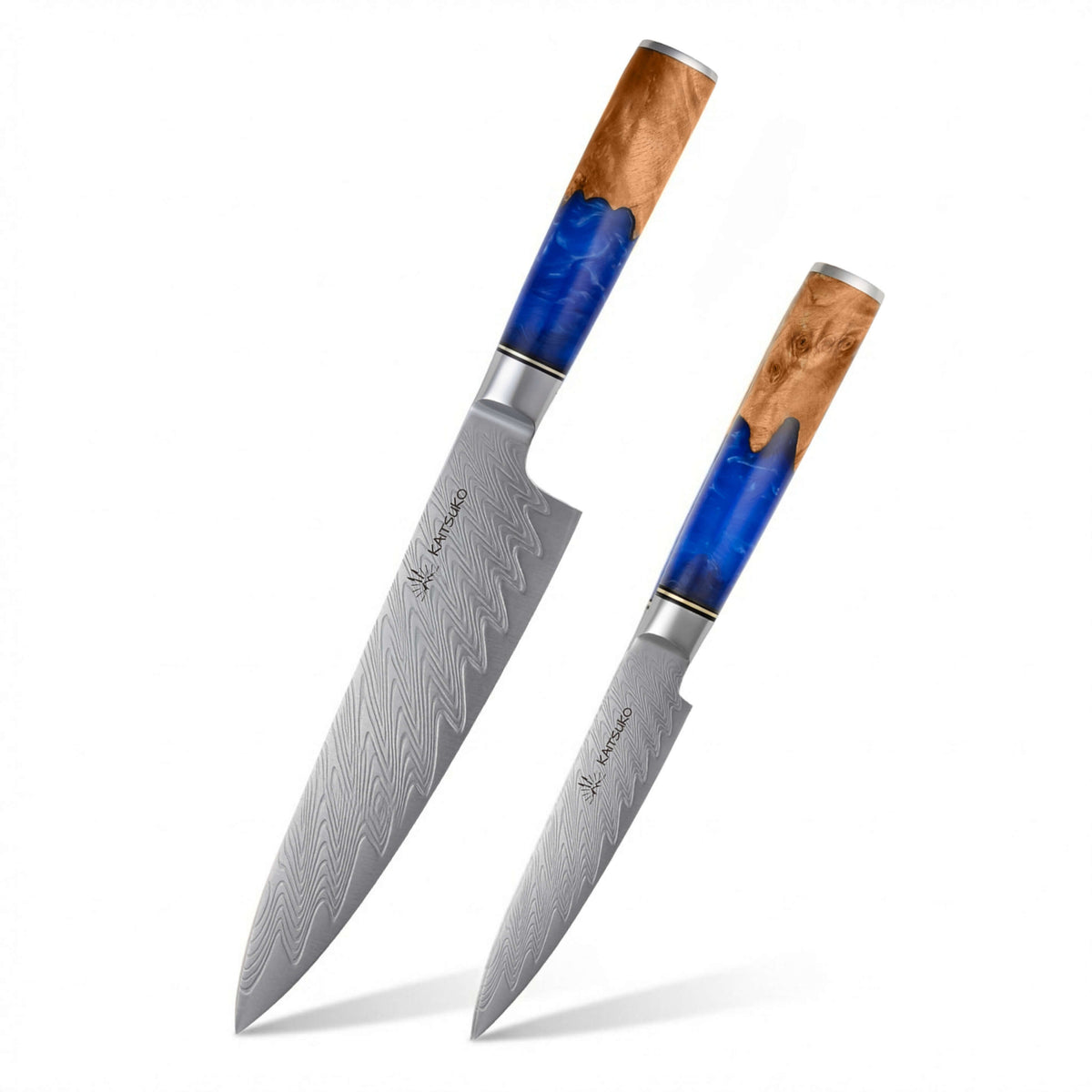
Set of 2 Japanese knives - Yellow Sea Series
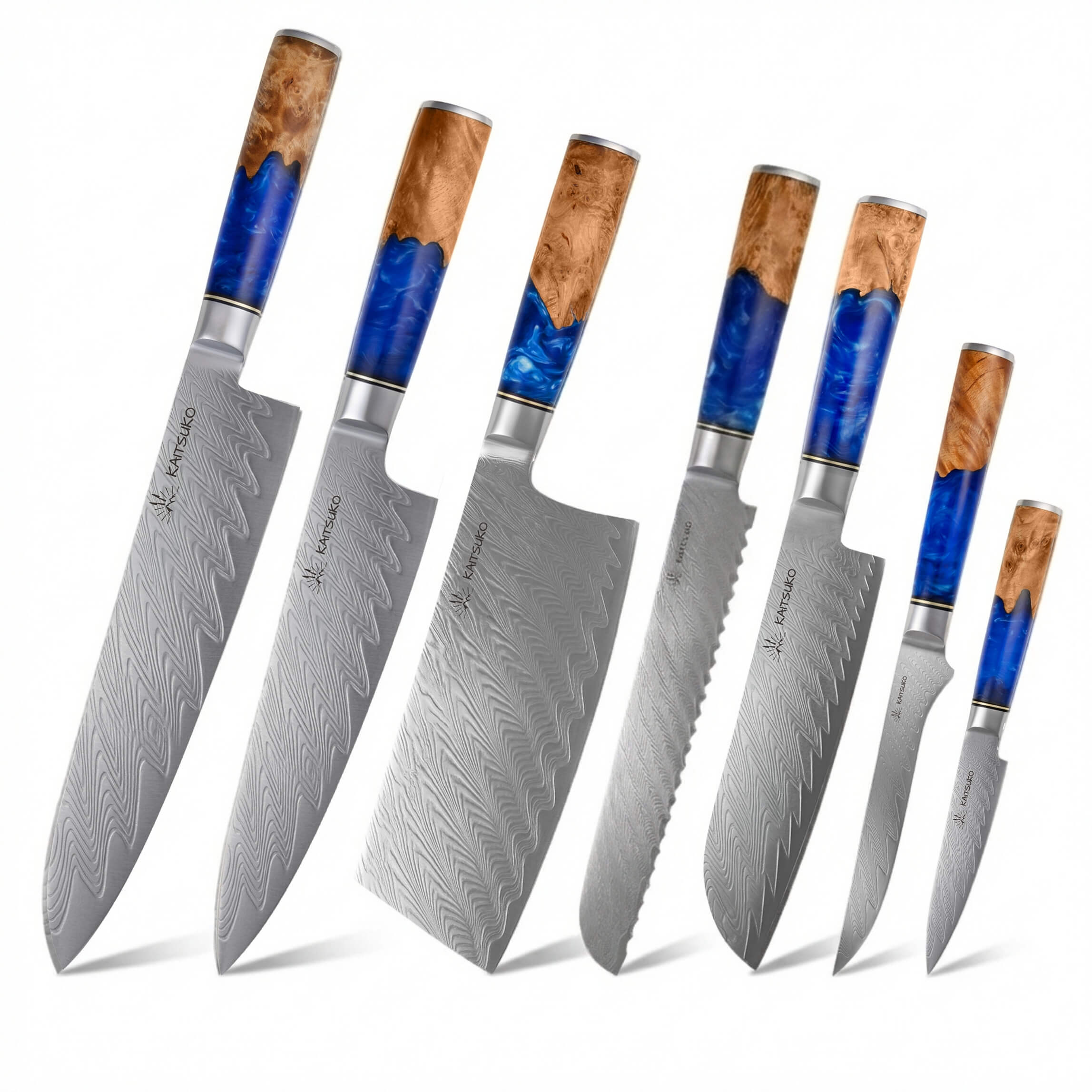
Set of 7 Japanese knives - Yellow Sea Series

Set of 3 Japanese knives - Chef Yakumoto

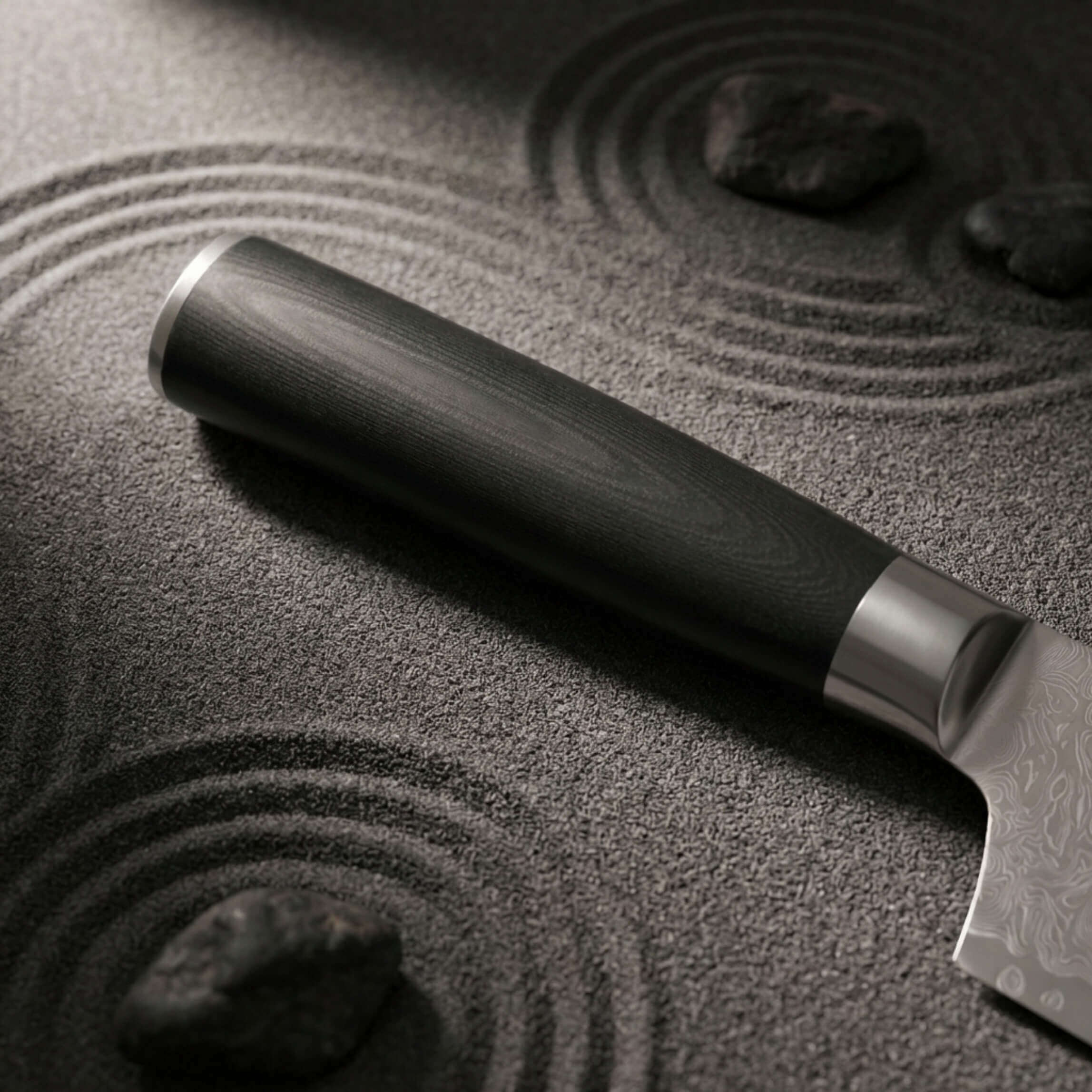
Set of 3 Japanese knives - Kyoto
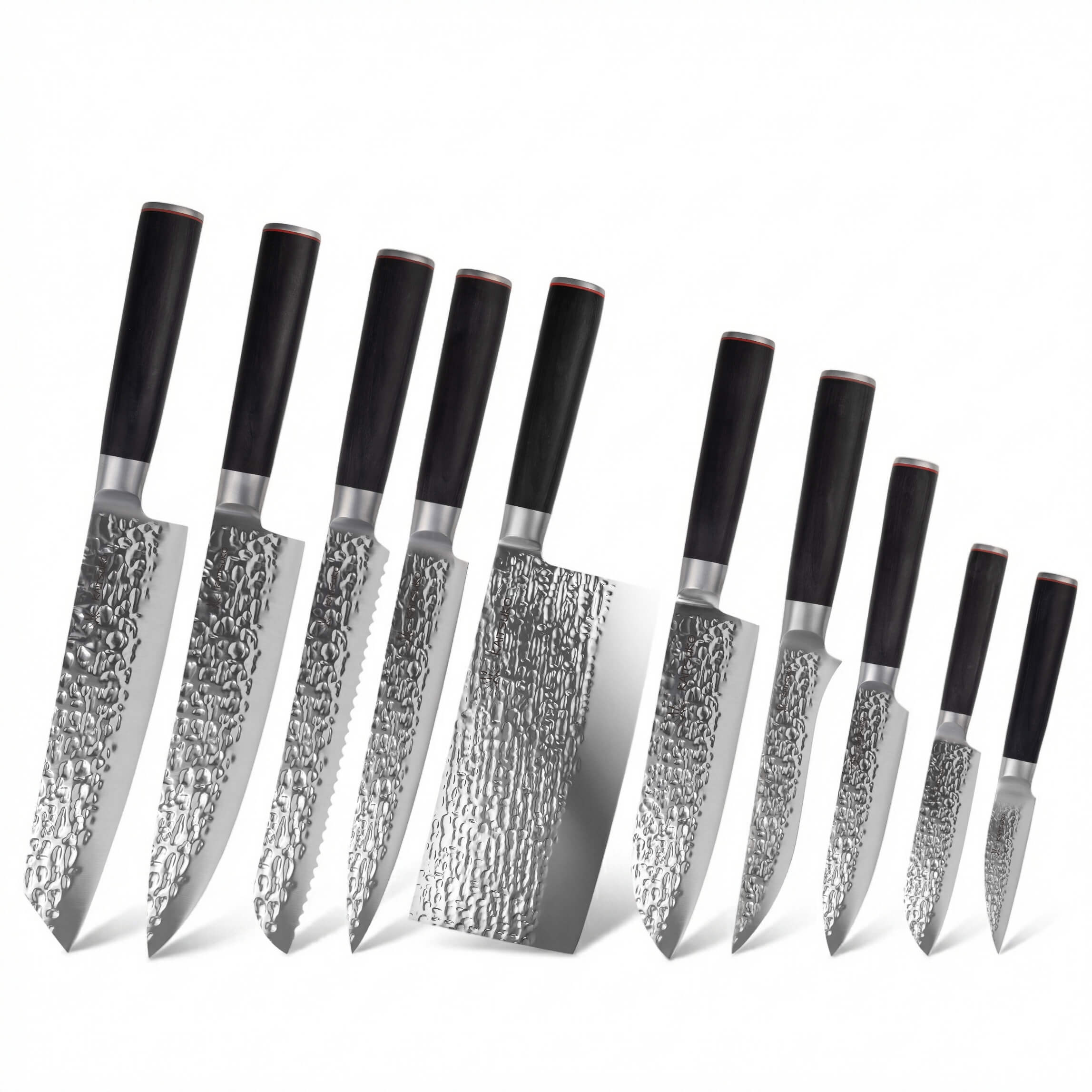
Set of 10 Japanese knives - Kaito
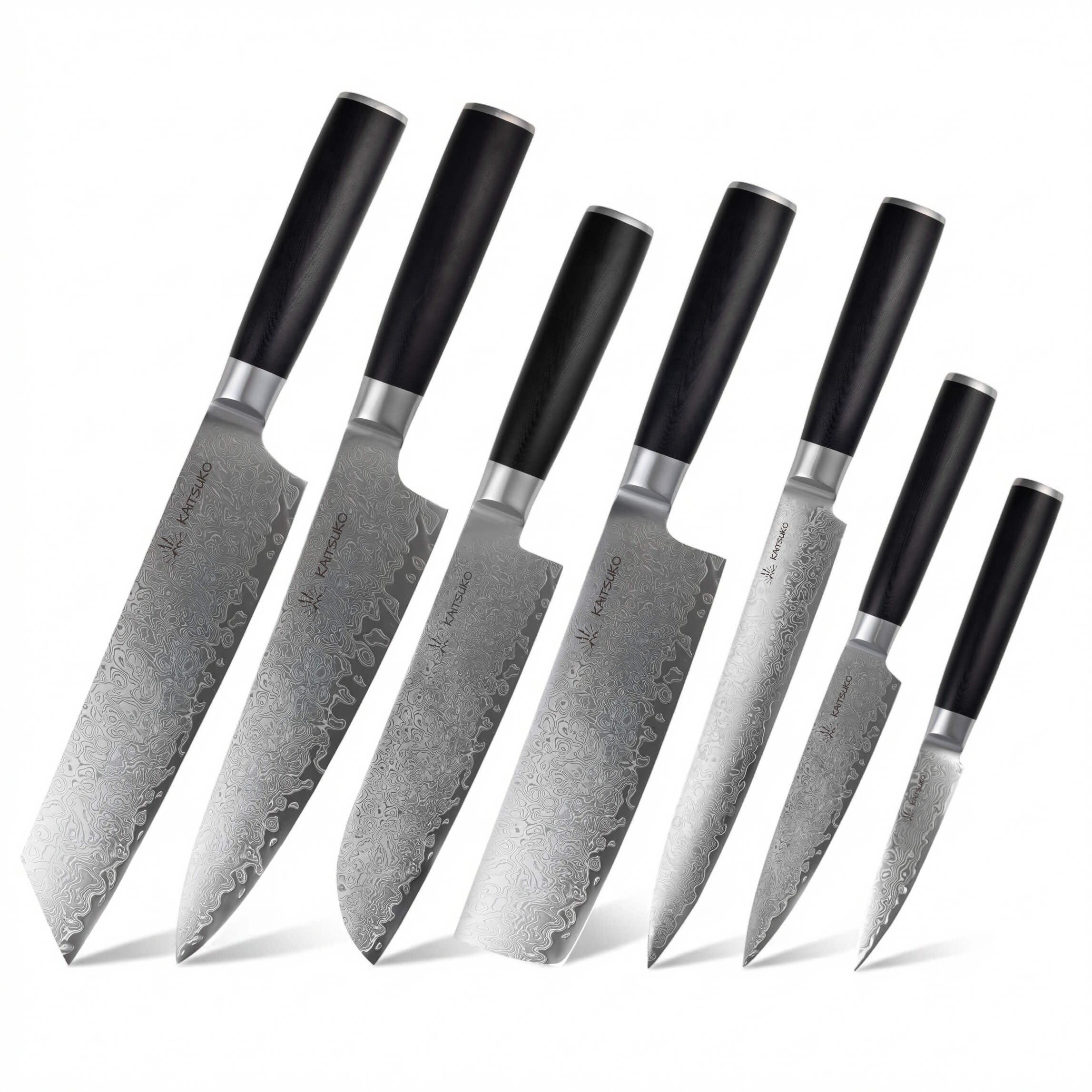
Set of 7 Japanese knives - Kyoto

Set of 3 Japanese knives - Yellow Sea Series
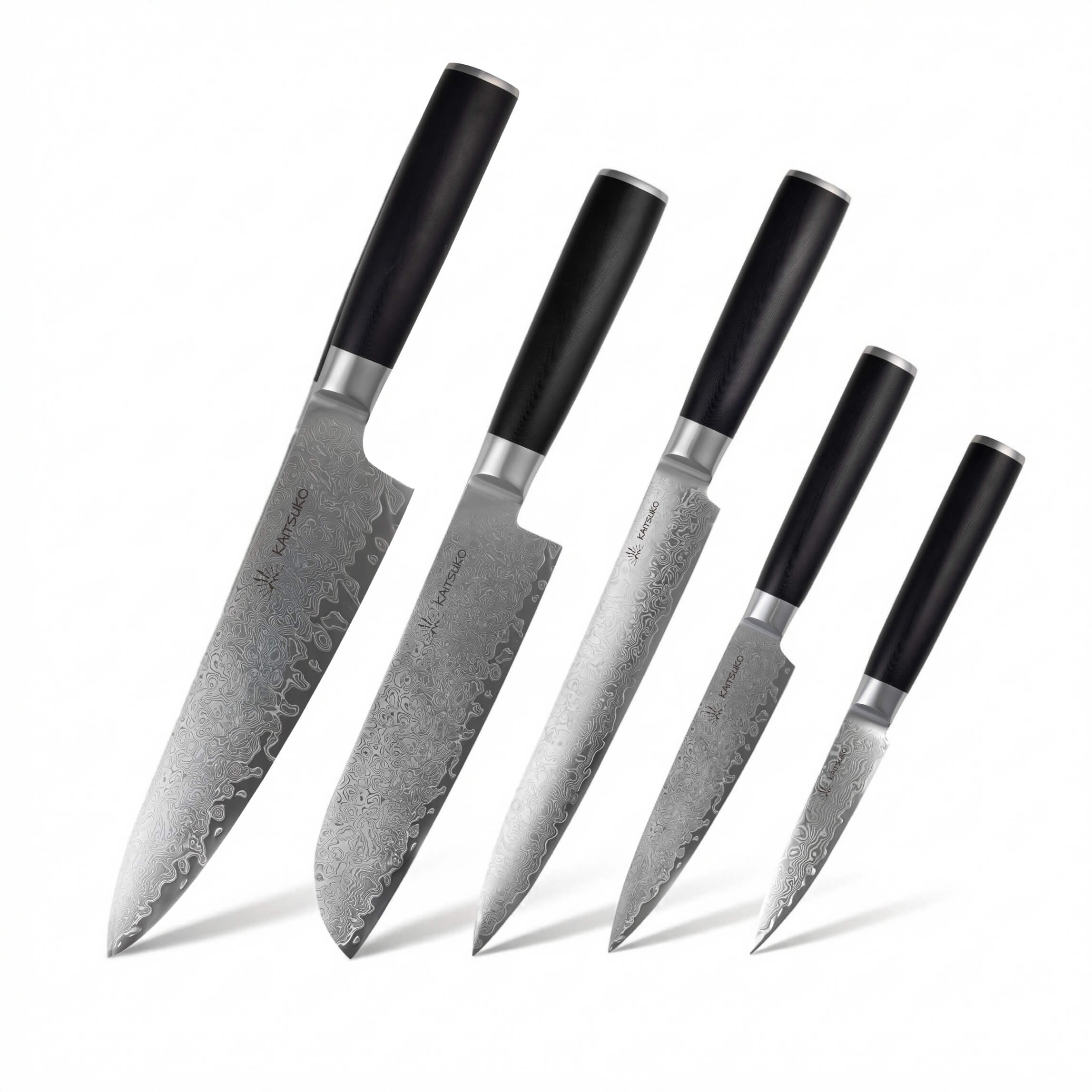
Set of 5 Japanese knives - Kyoto


Set of 7 Japanese knives - Komodo

Set of 7 Japanese knives - Chef Tanaka


Set of 3 Japanese knives - Chef Tanaka
Kaitsuko Gyuto Knife: the Versatile Japanese Chef's Knife
The Japanese version of the Western chef's knife, highly effective for meat, fish and vegetables.
The Gyuto knife ("beef knife" in Japanese) is the reference multifunctional knife of professional Japanese cooking. Slender blade with 50/50 double bevel, sharp tip, Damascus steel: designed for home cooks and professional chefs alike, it delivers exceptional sharpness, cut after cut.
A chef's knife is not just a kitchen accessory — it is the extension of the chef, an essential instrument that combines precision, durability and comfort.
At Kaitsuko, we understand the importance of a quality knife in the realization of your culinary masterpieces. Our carefully selected chef's knives offer unmatched performance, meeting the demands of professionals and passionate enthusiasts alike. Here is everything you need to know!
What is a Chef's Knife?
A chef's knife is a versatile kitchen tool, essential for every cook, amateur or professional.
Characterized by a wide and tapered blade, generally measuring between 15 and 30 centimeters, it is designed to accomplish a multitude of preparation tasks. From cutting vegetables, meat and fish to producing fine slices, the chef's knife is the cornerstone of every culinary arsenal.
Its balanced design allows an ergonomic grip, reducing fatigue and increasing precision during use. The fact that it is generally made from high-quality materials, such as stainless steel or Damascus, further reinforces its subtle balance between robustness and durability.
The Advantages of a Chef's Knife
Versatility and Efficiency
The first advantage of a chef's knife is its versatility and efficiency. A chef's knife is first and foremost designed to accomplish a multitude of tasks, making the need for several specialized knives obsolete.
Slicing, chopping, fine slicing or cutting vegetables into julienne — everything becomes possible with this knife and its wide, sharp blade. This versatility reduces the time spent switching tools and improves efficiency in the kitchen.
Precision and Control
A chef's knife also offers unmatched precision thanks to its sharp and well-balanced blade, enabling exact and uniform cuts. Its ergonomic design ensures optimal control, reducing hand fatigue and improving safety.
This precision and control translate into high-quality culinary preparations, greatly facilitated impeccable presentations and perfect cooking results. With a Kaitsuko chef's knife, every cut becomes a perfectly mastered gesture!
Gyuto Knife VS Western Chef's Knife: the Comparison
The superiority of the Gyuto lies in its metallurgy. Where a standard Western knife dulls quickly, Kaitsuko's high-performance martensitic steel guarantees exceptional edge retention. With a hardness of up to 58-60 HRC, our blades maintain a razor edge for lasting surgical precision.
Premium Japanese Gyuto (Kaito · Yakumoto · Kyoto · Yellow Sea)
- Steel: 10CR15CoMoV (67-layer Damascus or hammered).
- Hardness: 58-60 HRC.
- Angle: 15°, enabling effortless penetration into fibers.
- Technique: San Mai structure (hard core between soft layers) for the hardness/resilience balance.
Classic Western Chef's Knife
- Steel: Standard stainless steel, often imprecise.
- Hardness: 54-58 HRC (softer steel, dulls quickly).
- Angle: 20-22°, requiring more cutting pressure.
Technical note: The Chef Tanaka collection (5CR15MoV steel, 53-54 HRC) is designed for robustness and accessibility. It forgives maintenance errors and impacts, ideal for a peaceful start.
Our Japanese Chef's Knives (Gyuto)
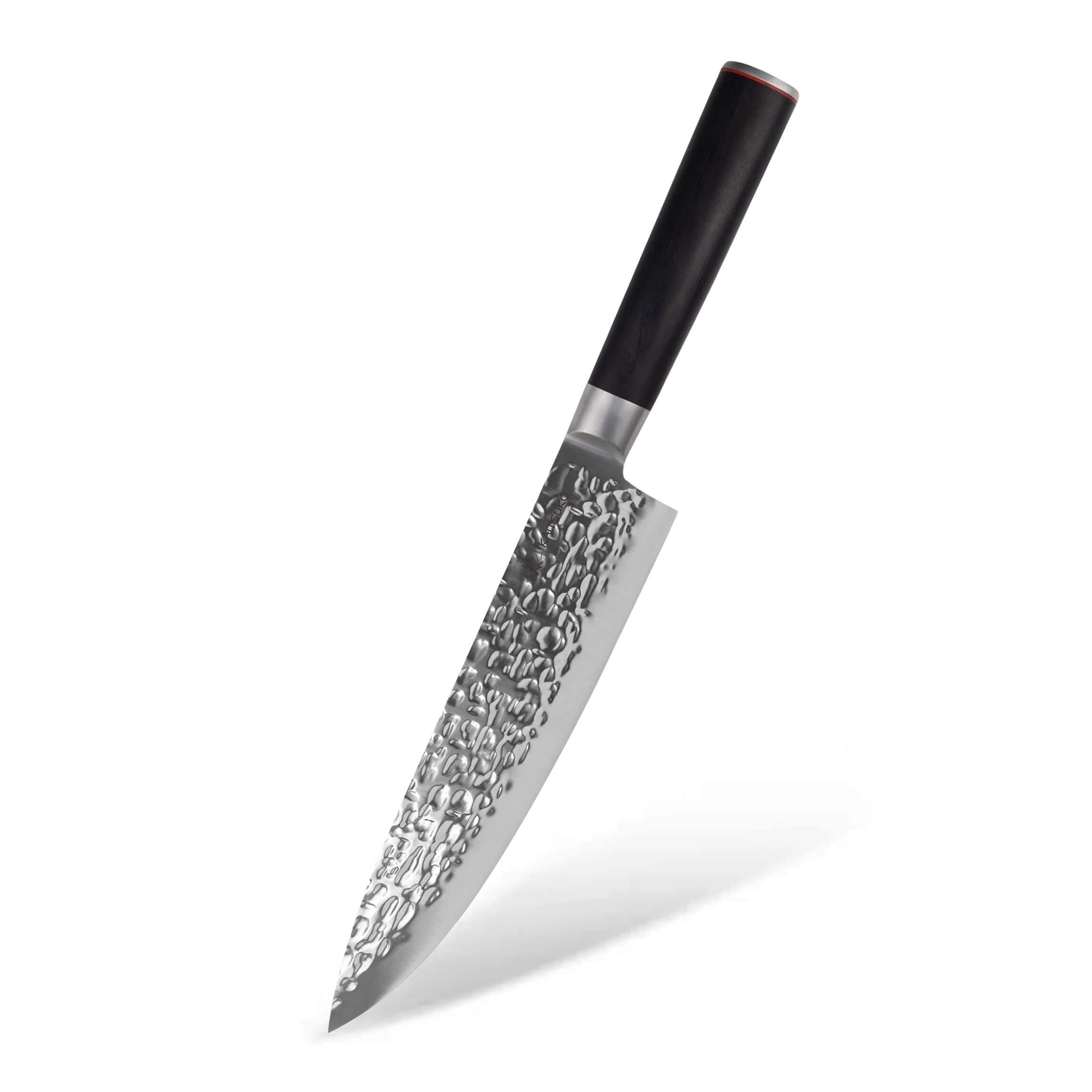
Chef's Knife Kaito
- Steel: 10CR15CoMoV sandblasted and hammered.
- Advantage: Hammering creates hollow-edges that reduce friction and prevent food from sticking.
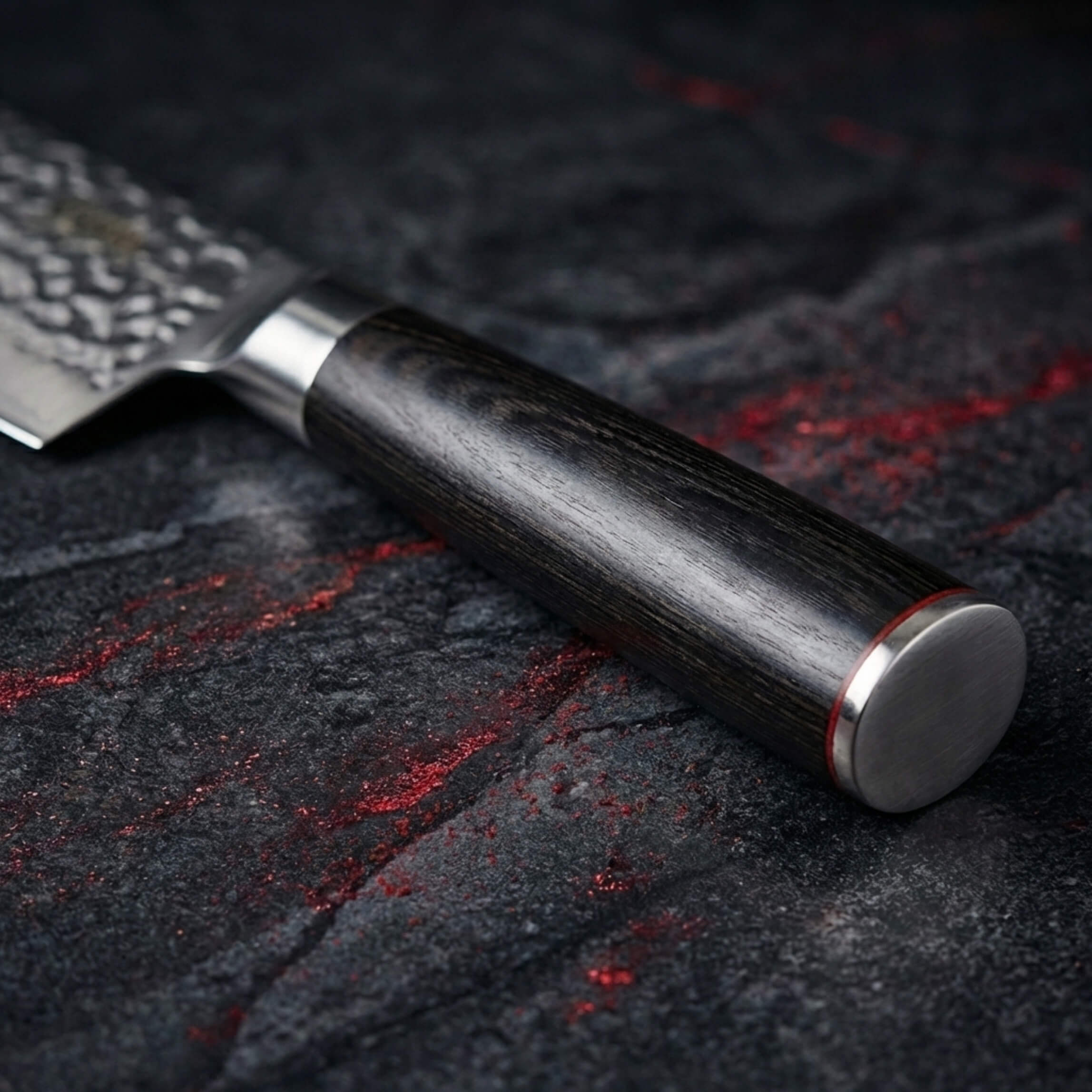
- Handle: Hand-polished pakka wood.
Chef's Knife Yakumoto
- Steel: 67-layer Damascus 10CR15CoMoV, 58-60 HRC.
- Handle: 3 premium finishes (Onyx in G10, Carbon Gold with gold leaf, White Stone in magnesium carbonate).
Chef's Knife Kyoto
- Steel: San Mai 67-layer 10CR15CoMoV.
- Handle: Black G10, ultra moisture-resistant and ergonomic.
Chef's Knife Yellow Sea
- Steel: Martensitic 67-layer Damascus 10CR15CoMoV.
- Advantage: A deep Damascus pattern combined with 58-60 HRC hardness for exceptional edge retention.
- Handle: Blue epoxy resin and stabilized wood, offering original and refined ergonomics.
Chef's Knife Tanaka
- Steel: Martensitic 5CR15MoV (53-54 HRC).
- Advantage: A robust and versatile blade that forgives maintenance errors, ideal for beginners.
- Handle: Epoxy resin (Ocean Blue, Tierra del Fuego, Ivory, Sumi Black colors) or Pakkawood (Forest Wood).
How to Use and Care for Your Gyuto Knife?
Cutting Techniques
- Rocking cut: tip fixed on the board, blade rocks from top to bottom — ideal for chopping, parsley, chives, rapid chopping motions.
- Push cut: blade glides forward — perfect for julienne, brunoise, meat slices, raw fish work.
- Grip: thumb and index finger on the bolster, other fingers on the handle — optimal control, reduced fatigue, effortless cutting.
- To avoid: bones, frozen foods, metal, ceramic, marble — hard steel (HRC 60) is more brittle than soft steel.
Daily Care
✓ Hand wash with mild cleaning solution · dishwasher not recommended
✓ Immediate drying with a cloth to prevent oxidation
✓ Sharpen at 15° with whetstone (400 grit to restore · 1000 grit to maintain) or honing steel
✓ Wood or bamboo board only · store in a knife block or on a magnetic holder
Shop sharpening accessories (whetstone, honing steel, sharpener)
Frequently Asked Questions
Why is the Gyuto sharpened on both sides?
The Gyuto has a symmetrical bevel. This design makes it intuitive for both right- and left-handed cooks and facilitates daily maintenance.
Where are Kaitsuko knives made?
In the spirit of quality transparency, we embrace rigorous Asian manufacturing. Our value lies in the stringent selection of steels (such as 10CR15CoMoV) and performance control through real-condition testing.
How do I care for my Gyuto knife?
The dishwasher is prohibited (a technical sacrilege) as it alters both the edge and the handle. Opt for hand washing and immediate drying to avoid any dulling or staining on the steel. For maintenance, use a honing steel to realign the edge or a whetstone to restore a razor-sharp finish.